For many, it was a gift that we avoided a government shutdown right before the holidays. For those reliant on food assistance, the American Relief Act of 2025 leaves supplemental nutrition assistance programs intact through the end of September 2025.
If you haven’t checked the price of eggs in the last couple of weeks, you will be in for a shock, as avian influenza in flocks across the country have driven up prices. You can likely imagine the challenges that $0.75 eggs pose for those already food insecure.
The American Relief Act of 2025 also extends many of the Farm Bill programs that keep our farmers in business and keep non-farmers from relying on foreign-grown food. While some of the important Farm Bill “orphan programs” remain unfunded, disaster relief for farmers is covered during this extension period.
The Farm Bill extension doesn’t mean that farming has gotten any easier. Like those who produce eggs, the vast majority of farmers operate on slim margins in the best of years. And for states like Washington with economies that rely heavily on export markets, the looming topic of tariffs and their impact on the U.S. farmer, and therefore the U.S economy, remains a concern. The 2018-2023 tariffs on India translated to a $660 million loss for U.S. apple growers.
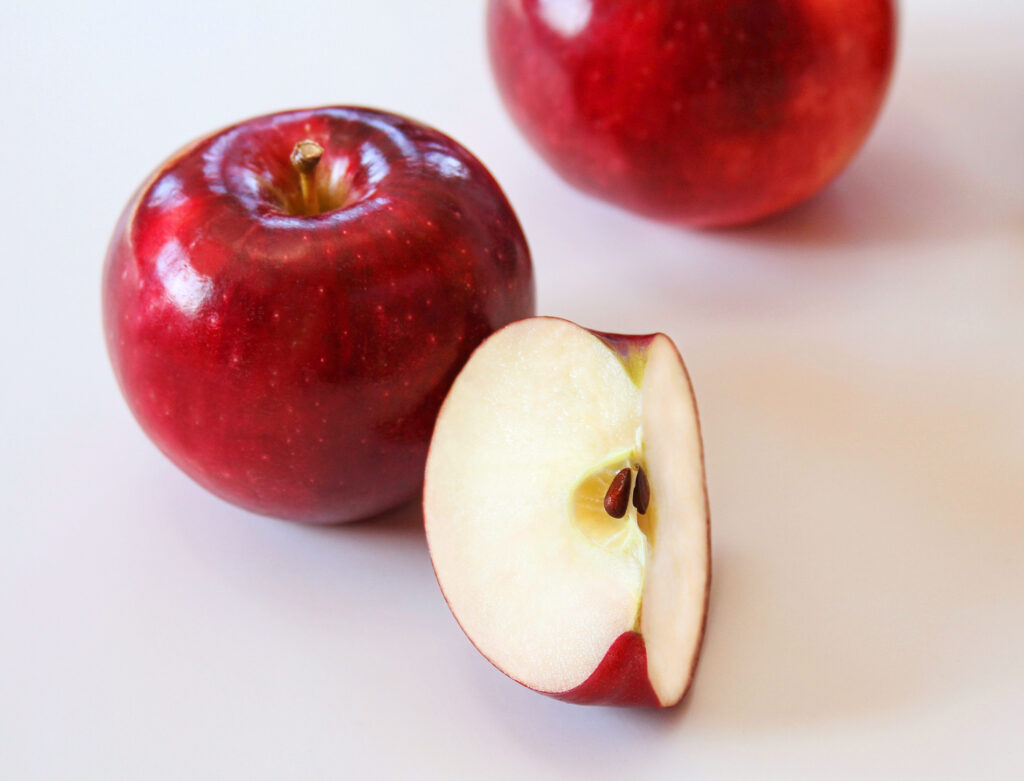
I mentioned in my last post that I saw interesting statistics about our state’s apple industry and consumers during the NW Hort Expo. The average U.S consumer eats 2.5 apples per month. I am guilty of consuming less than that — for no good reason! Cosmic Crisp® prices were down $9 per box for farmers, and consumers likely noticed the lower prices in stores. So, for 2025 I am committing to no fewer than five apples per month — still a drop in the bushel basket and hardly enough to overcome what was proclaimed as the worst year (2023) in the history of apples.
I also learned that Mexico and Canada import 52% of Washington’s exported apples and that two-thirds of Washington apple exports remain in the Western Hemisphere. I hadn’t thought about it before the meeting, but I have been a resident of five of the top seven apple-growing states (Washington, California, Michigan, New York, and Virginia). Washington apple production doubles that of the other six states combined! It’s about time I do my part to keep the industry viable. And while Cosmic Crisp® prices may be favorable for this resolution, let’s just say we aren’t headed toward free eggs or apples anytime soon.
The holidays are over, and meetings are back in full force. This week is another busy meeting with the Department of Natural Resources that will address a number of contentious topics. Preparation for that monthly meeting has taken on a life of its own, but perhaps things will slow down a bit in the coming months. I kept up on work pretty well over the last few weeks but need to get ahead on some things before annual review materials start to come in. 2025 promises to not leave me bored.