
CAHNRS Quarterly Reach Report – Winter 2025
Message from Dean Powers

Welcome to the new Quarterly Reach Report from WSU’s College of Agricultural, Human, and Natural Resource Sciences. This report will share regular updates on the impacts, mission, and state of our college.
Below, you’ll find links to our new Strategic Plan, a breakdown of our funding, expenditures, grants, and new hires, and sections highlighting featured student clubs and partners. CAHNRS is making incredible strides, and the Reach Report brings them to light, showcasing how we are creating a more Resilient Washington and world.
Developed out of our longstanding efforts to inform university administration of our accomplishments every quarter, this expanded report is now available online, making the college more visible to a wider community of partners and peers. While this report will feature a different theme each quarter, every edition will include updates on academics, programs, partners, faculty, and staff. This quarter, we focus on an overview of the college.
The Reach Report complements our digital college magazine, Confluence, our Tour of Impacts website, and the Dean’s Blog, in keeping constituents apprised of our work. I’m very excited to share this report with you and welcome your feedback in making it a success.
The more we know and share about our achievements, the more CAHNRS can do.
CAHNRS Strategic Plan
Faculty and staff across CAHNRS have come together to develop our college’s new Strategic Plan. Newly complete and available online, this plan lays out strategies for how our vision for a Resilient Washington will be realized over the next five years. Currently, committee members are working out metrics and monitoring elements so that college leadership can track progress each year.
By the Numbers
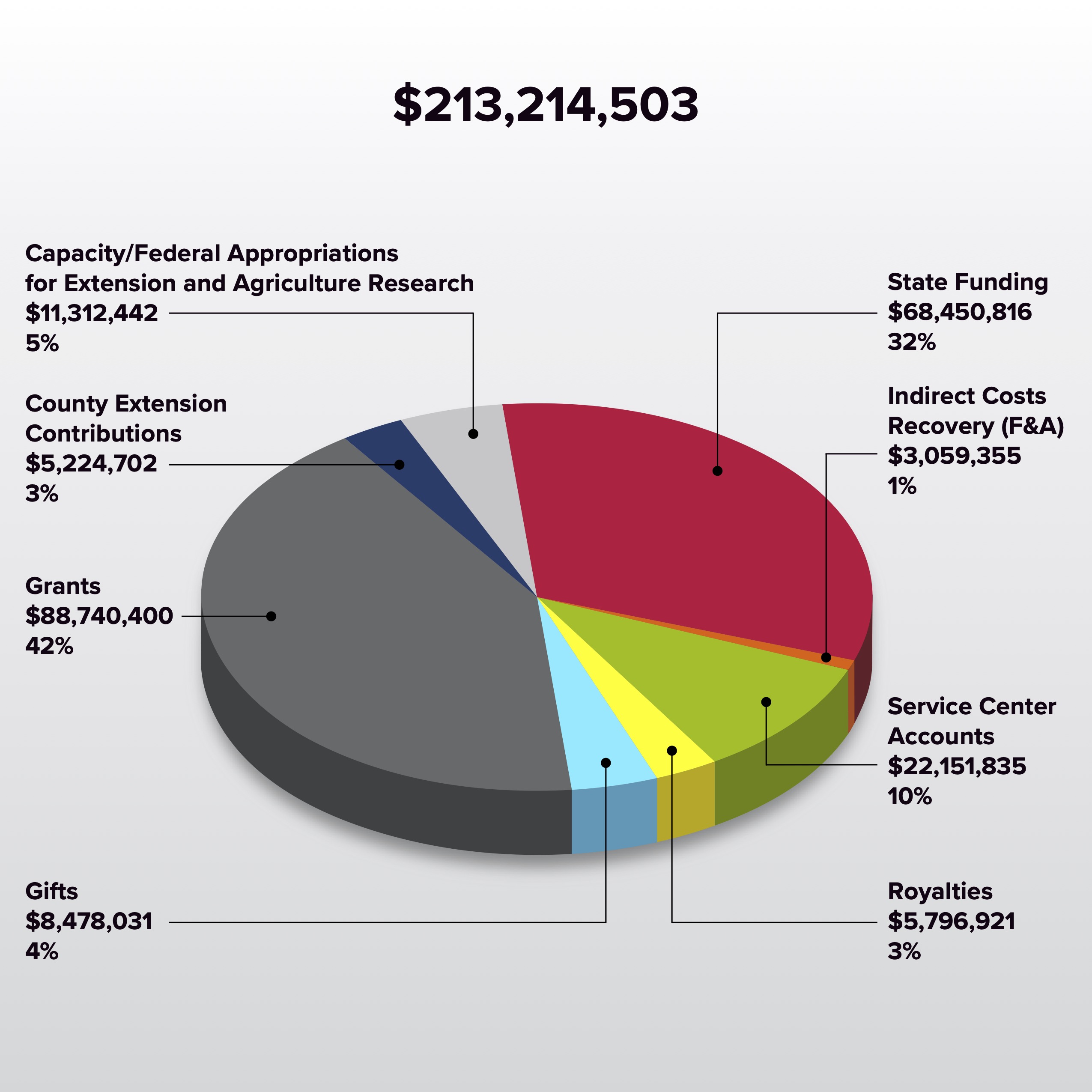
FY24 CAHNRS Allocations: $213,214,503
- Capacity/Federal Appropriations for Extension and Agriculture Research: $11,312,442 (5%)
- County Extension Contributions: $5,224,702 (3%)
- Grants: $88,740,400 (42%)
- State Funding: $68,450,816 (32%)
- Indirect Costs Recovery (F&A): $3,059,355 (1%)
- Service Center Accounts: $22,151,835 (10%)
- Royalties: $5,796,932 (3%)
- Gifts: $8,478,031 (4%)
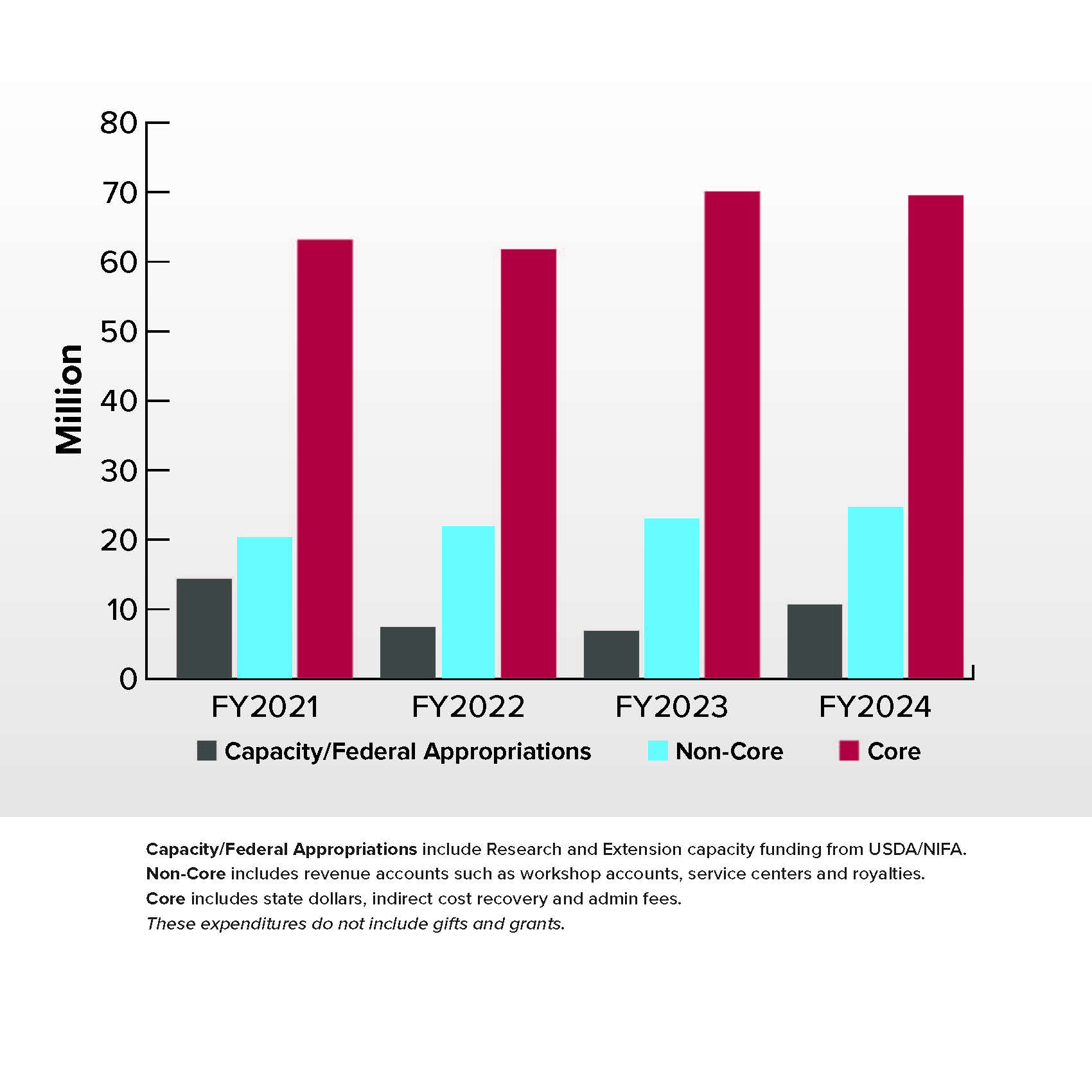
CAHNRS Expenditures FY21-24
| CAHNRS Expenditures | FY21 | FY22 | FY23 | FY24 |
|---|---|---|---|---|
| Core | $63,045,305.06 | $61,627,972.70 | $69,917,889.83 | $69,381,232.65 |
| Non-Core | $20,190,997.15 | $21,757,635.85 | $22,893,373.67 | $24,595,615.21 |
| Capacity/Federal Appropriations | $14,179,968.91 | $7,335,135.06 | $6,741,265.84 | $10,551,962.63 |
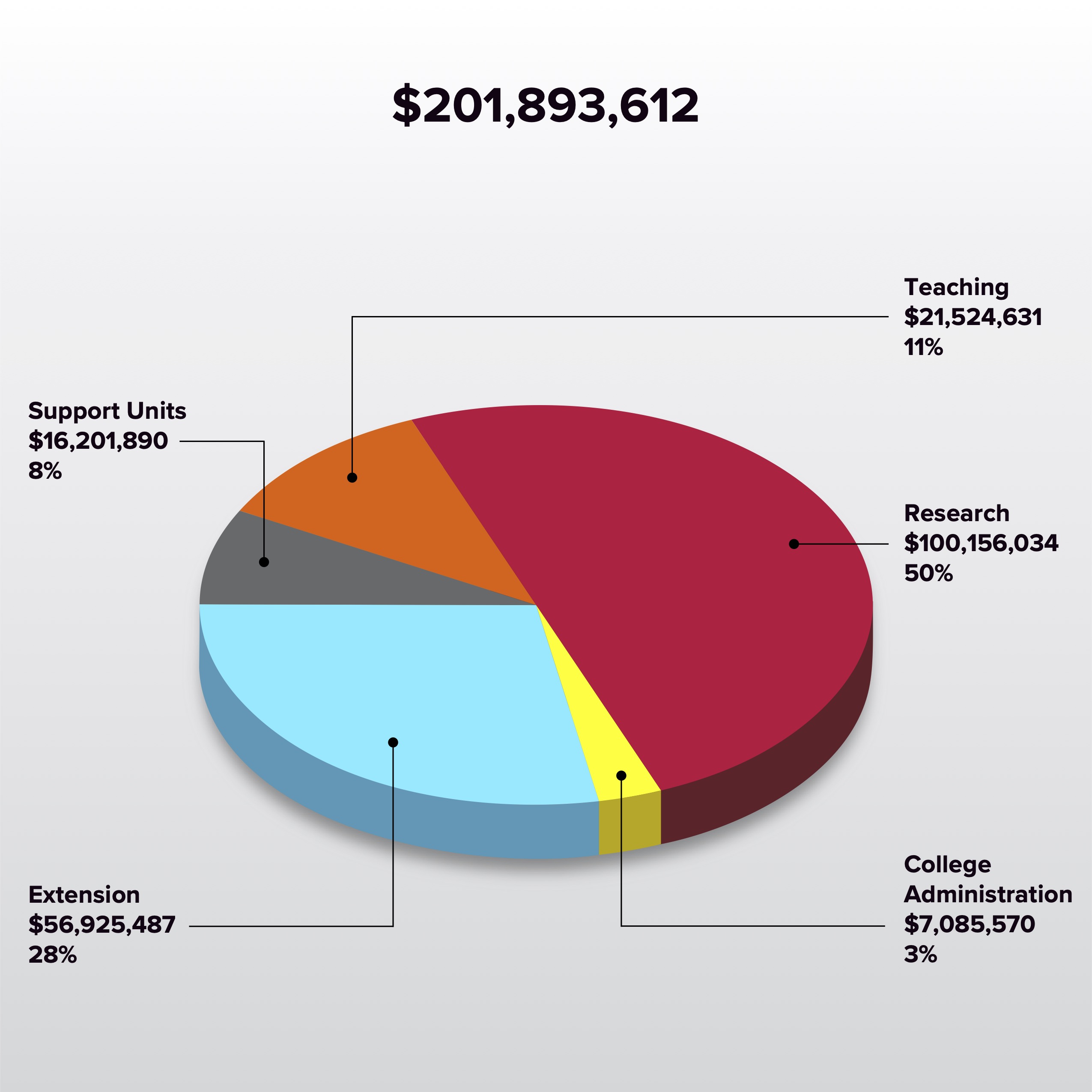
FY24 CAHNRS Expenditures: $201,893,612
- Support Units: $16,201,890 (8%)
- Extension: $56,925,487 (28%)
- Teaching: $21,524,631 (11%)
- Research: $100,156,034 (50%)
- College Administration: $7,085,570 (3%)
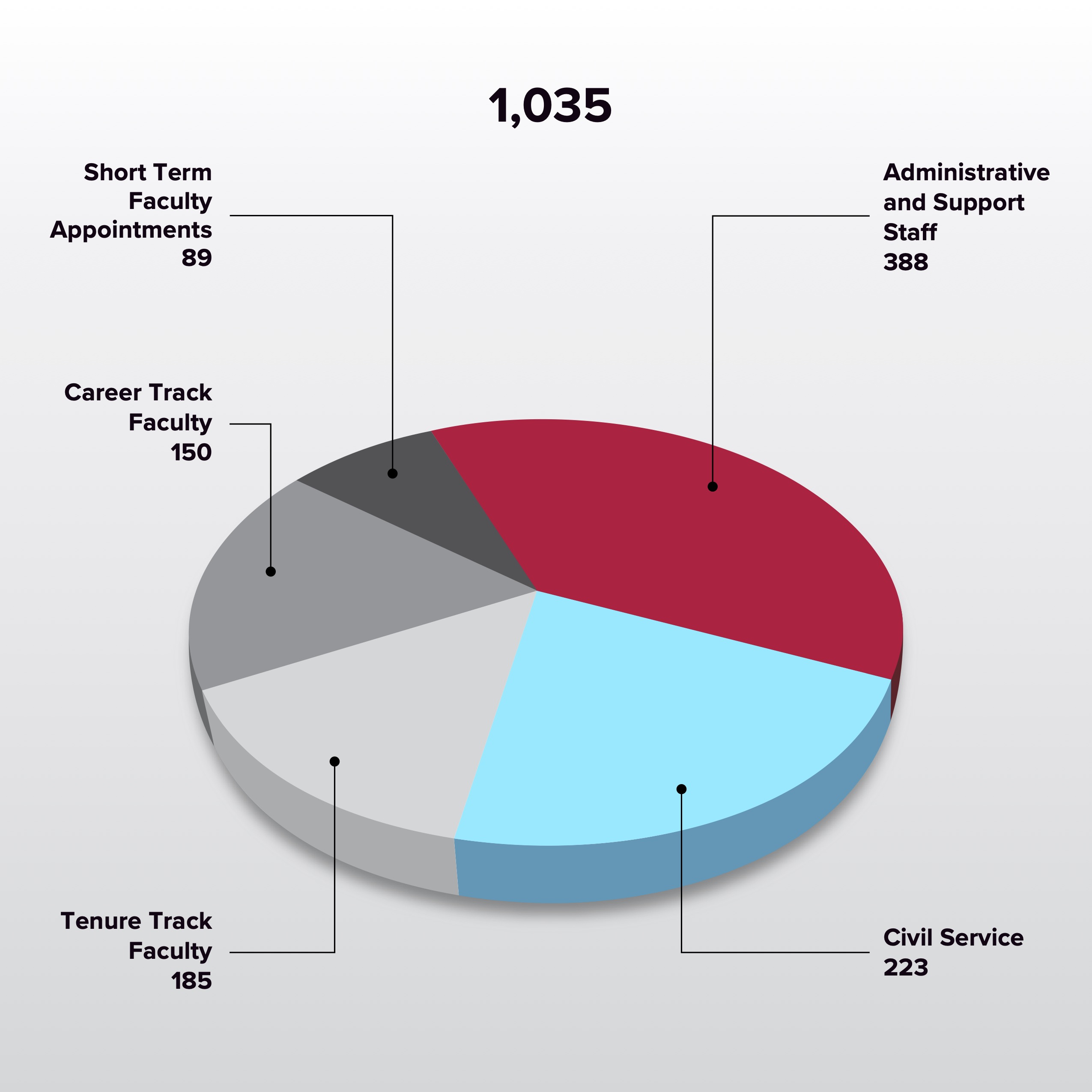
FY24 CAHNRS Employees: 1,035
- Short Term Faculty Appointments: 89
- Career Track Faculty: 150
- Tenure Track Faculty: 185
- Administrative and Support Staff: 388
- Civil Service: 233

Students and Academics
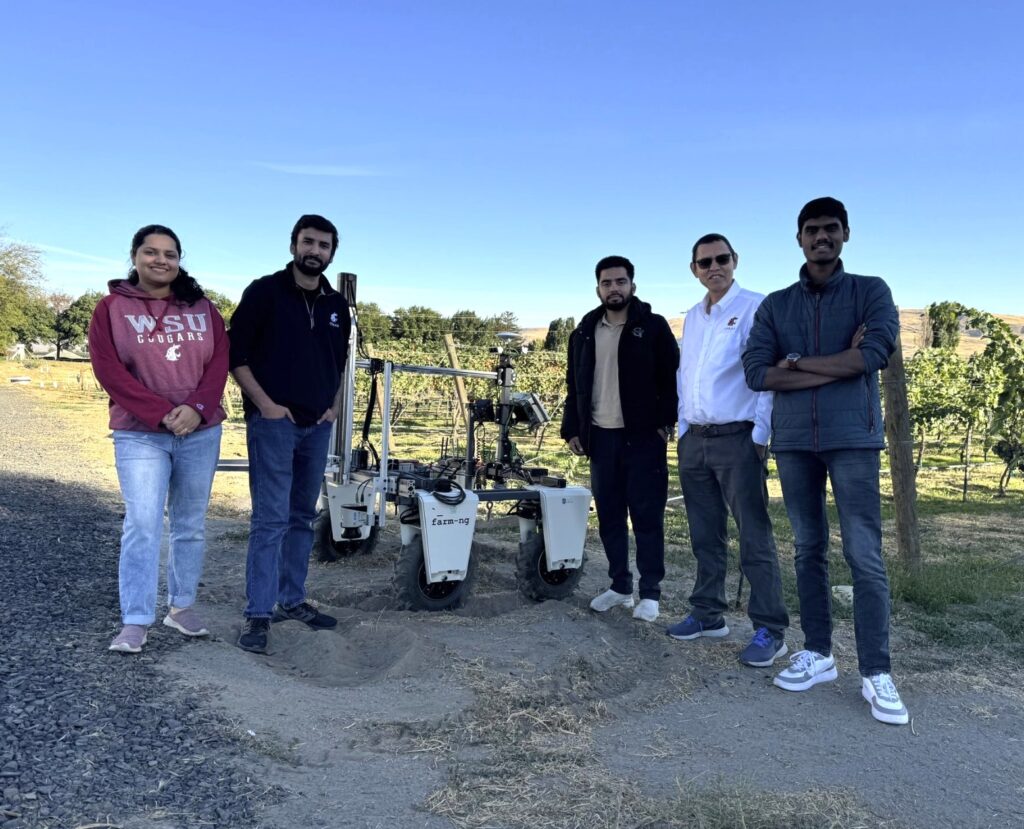
WSU, Heritage University students land prestigious ag robot award
An autonomous fruit bin hauling robot developed by WSU Biological Systems Engineering graduate students and Heritage University undergraduates caught the eye of judges in a recent farm robotics competition. The 10-person team received the Excellence in Small Farms Technology Award and a $5,000 cash prize for their success in the Farm Robotics Challenge, an annual student competition coordinated by the University of California and the AI Institute for Next Generation Food Systems, with support from agriculture tech company farm-ng.

WSU ecosystem sciences students to study environmental sustainability at Danish university
AARHUS, Denmark — Brooke Stutzer and Ellie Watts, ecosystem sciences seniors in Washington State University’s School of the Environment (SOE), will spend the fall 2024 semester studying abroad at Aarhus University in Denmark. They are the first students to participate in a two-year pilot program that advances international education and research collaboration in environmental efficiency & resilience.
Partners and Alumni
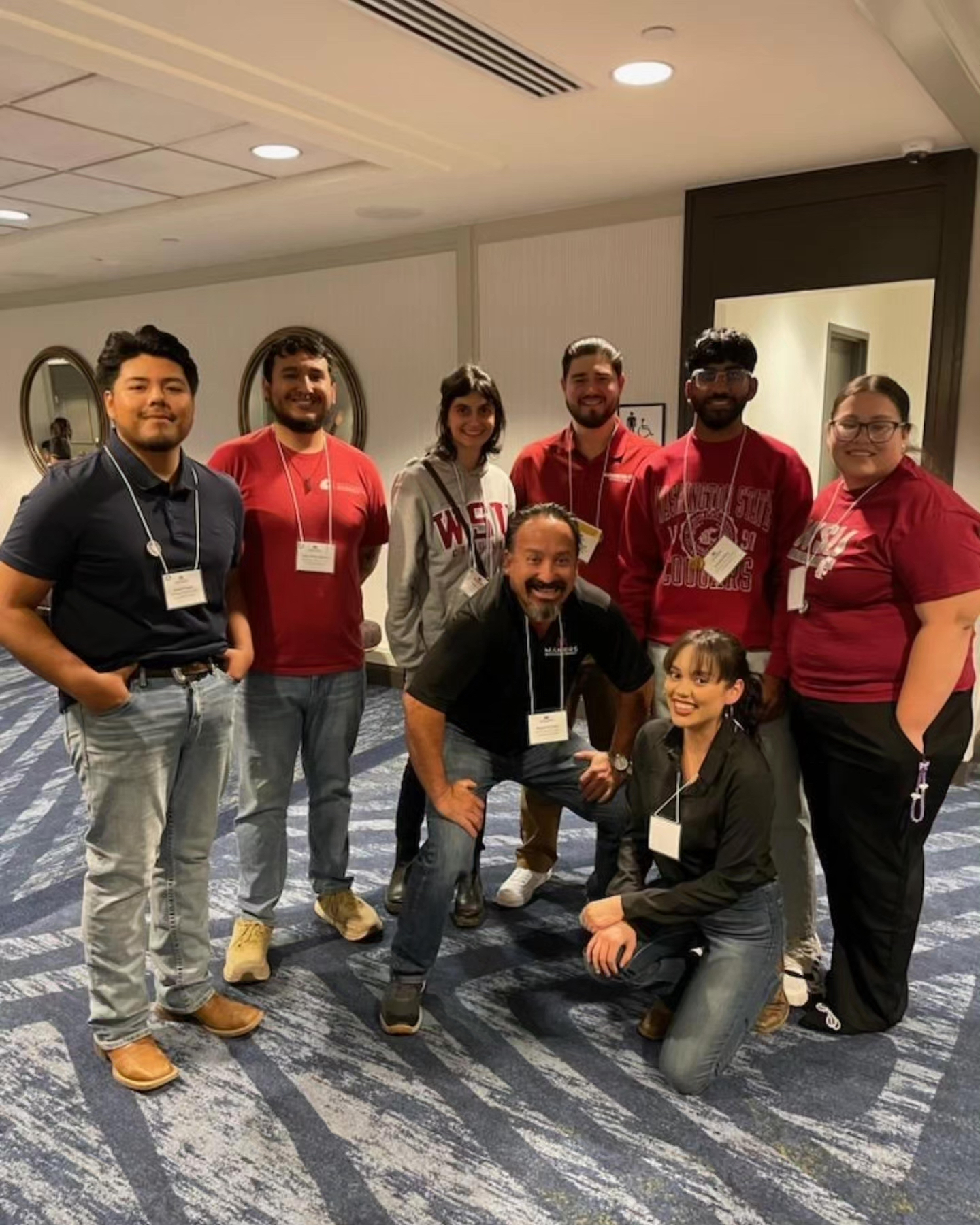
Featured Partner: AgWest Farm Credit
Creating an adaptable workforce is one of four pillars of CAHNRS’ commitment to build a resilient Washington. Our college thanks AgWest Farm Credit for its continuing support of life-changing student scholarships and experiences.
Through its MANRRS Endowment, benefiting members of the Minorities in Agriculture, Nature Resources, and Related Sciences student organization, and through scholarship funds for Latinx and Native American students, AgWest empowers skilled, diverse, and successful learners who are ready for the future.

CougsGive Priorities for 2025
CAHNRS is planning for the next CougsGive pledge drive. On Wednesday, April 16, 2025, thousands of generous Cougs donate to causes, programs, scholarships, and experiences across WSU. Our 2025 match priorities include:
- CAHNRS Community Fund, which helps students stay resilient in the face of unexpected challenges
- 4-H Youth Development, empowering Washington youth to reach their full potential
- WSU Extension Master Gardeners, providing sustainable, research-based horticulture and environmental stewardship education
- The Human Development Student Emergency Fund, a new needs-based scholarship that assists students with financial hardships
- The new Plant Growth Facility at WSU Wenatchee Tree Fruit Research and Extension Center, a much-needed modernization of vital tree fruit infrastructure
Programs and Impacts
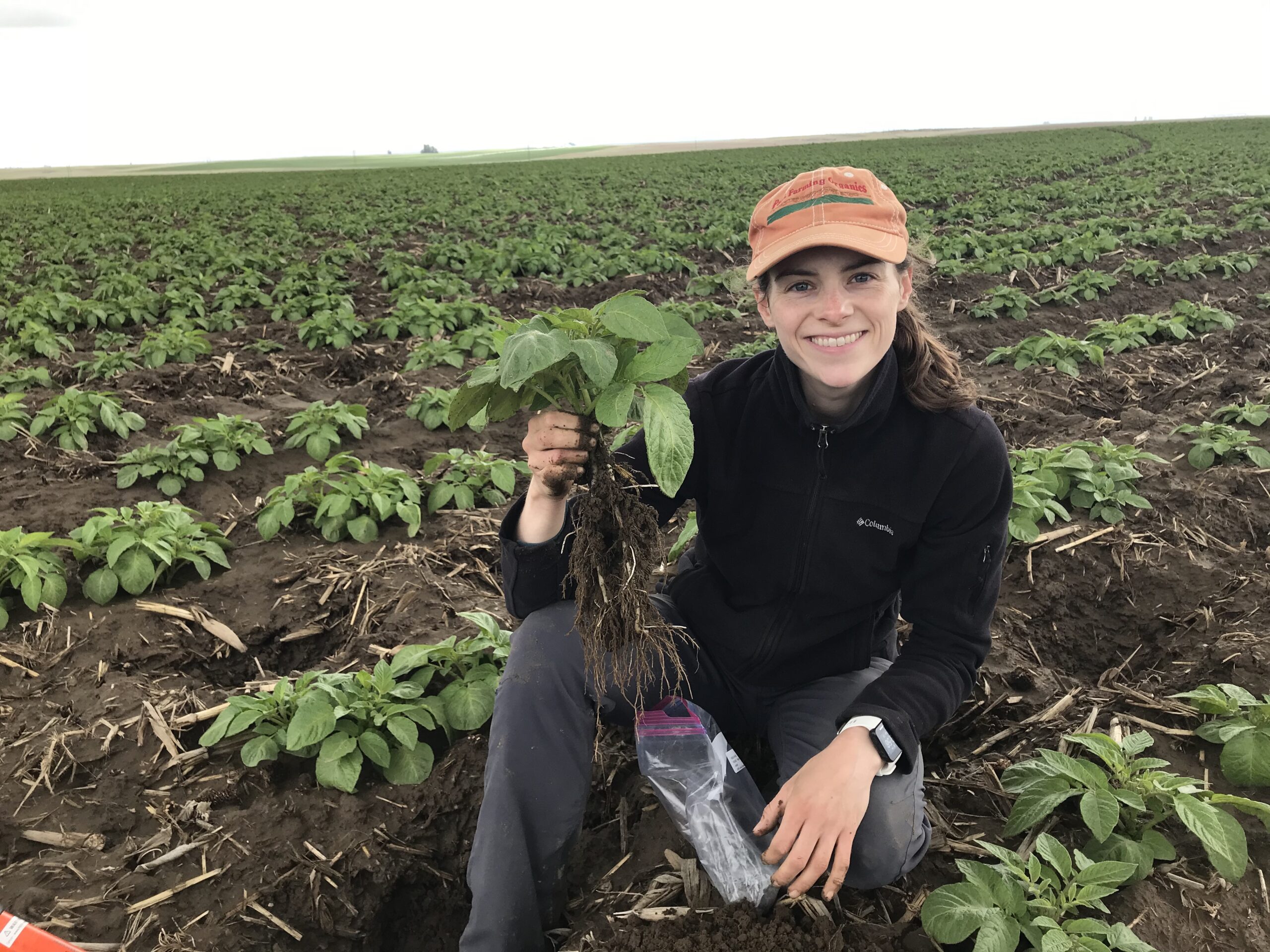
Soil health assessment and management for Washington agriculture
Filling knowledge gaps in soil health, a team led by Deidre Griffin LaHue in the Department of Crops and Soil Sciences has sampled more than 1200 sites across Washington as of fall 2024, generated soil health reports for 300 farms, developed open-access software, and helped inform a new state incentive program. Increased adoption of soil-health practices can benefit rural communities and natural resources. Applications of biosolids from waste, for example, can reduce fertilizer costs by more than $13 per acre and increase yields by as much as $46 per acre.
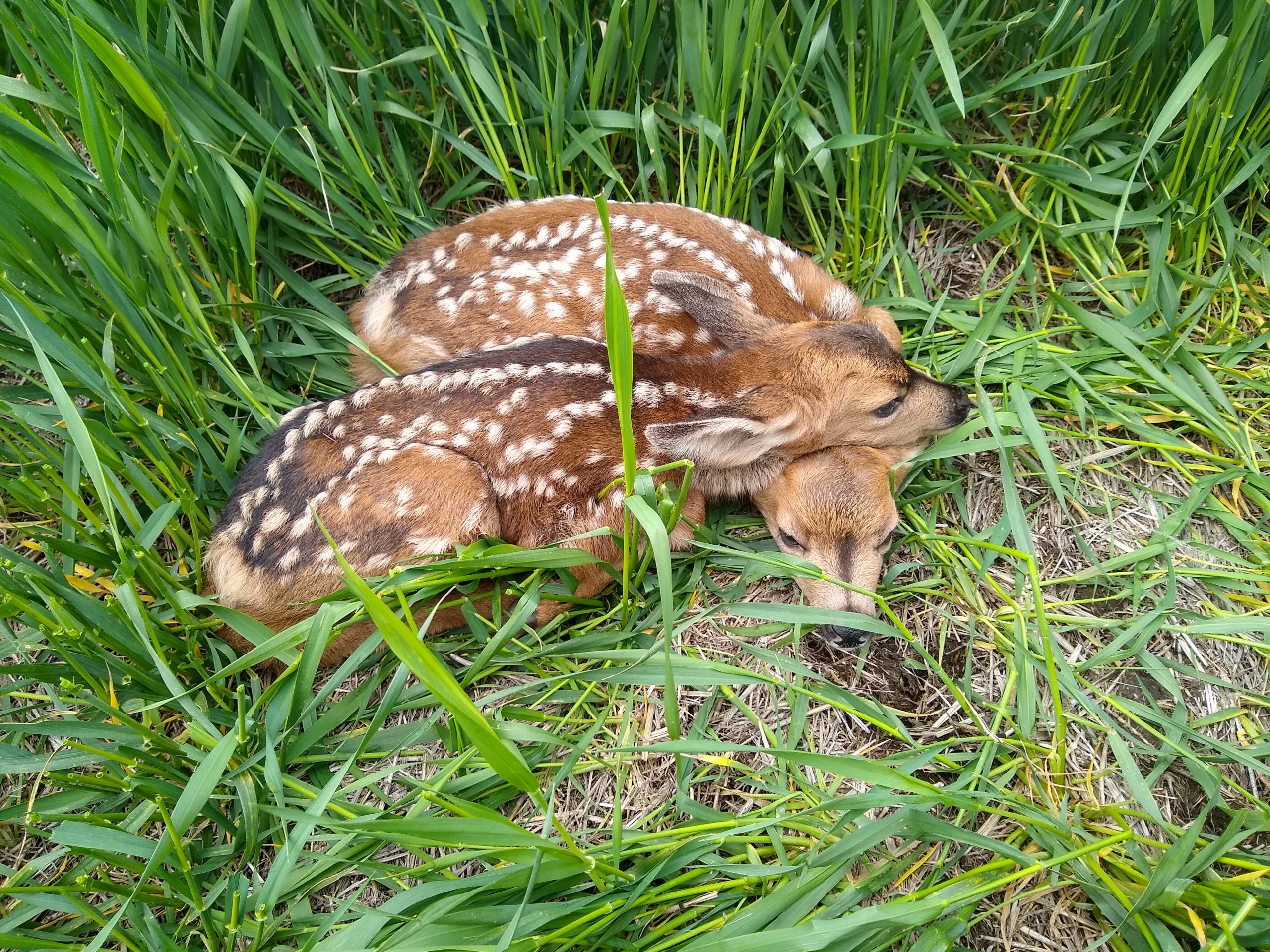
Conservation Reserve Program benefits for wildlife
Two recently completed research projects led by Lisa Shipley, professor in WSU’s School of the Environment, support efforts to conserve native wildlife in eastern and central Washington. Shipley’s team examined how native mammals and birds make use of vegetation on Conservation Reserve Program lands, agricultural land, and native shrub steppe in eastern Washington. This work highlighted the effectiveness of CRP in wildlife conservation and provide support for its continuation and expansion and can help guide prioritization of new CRP enrollments for benefit to wildlife.
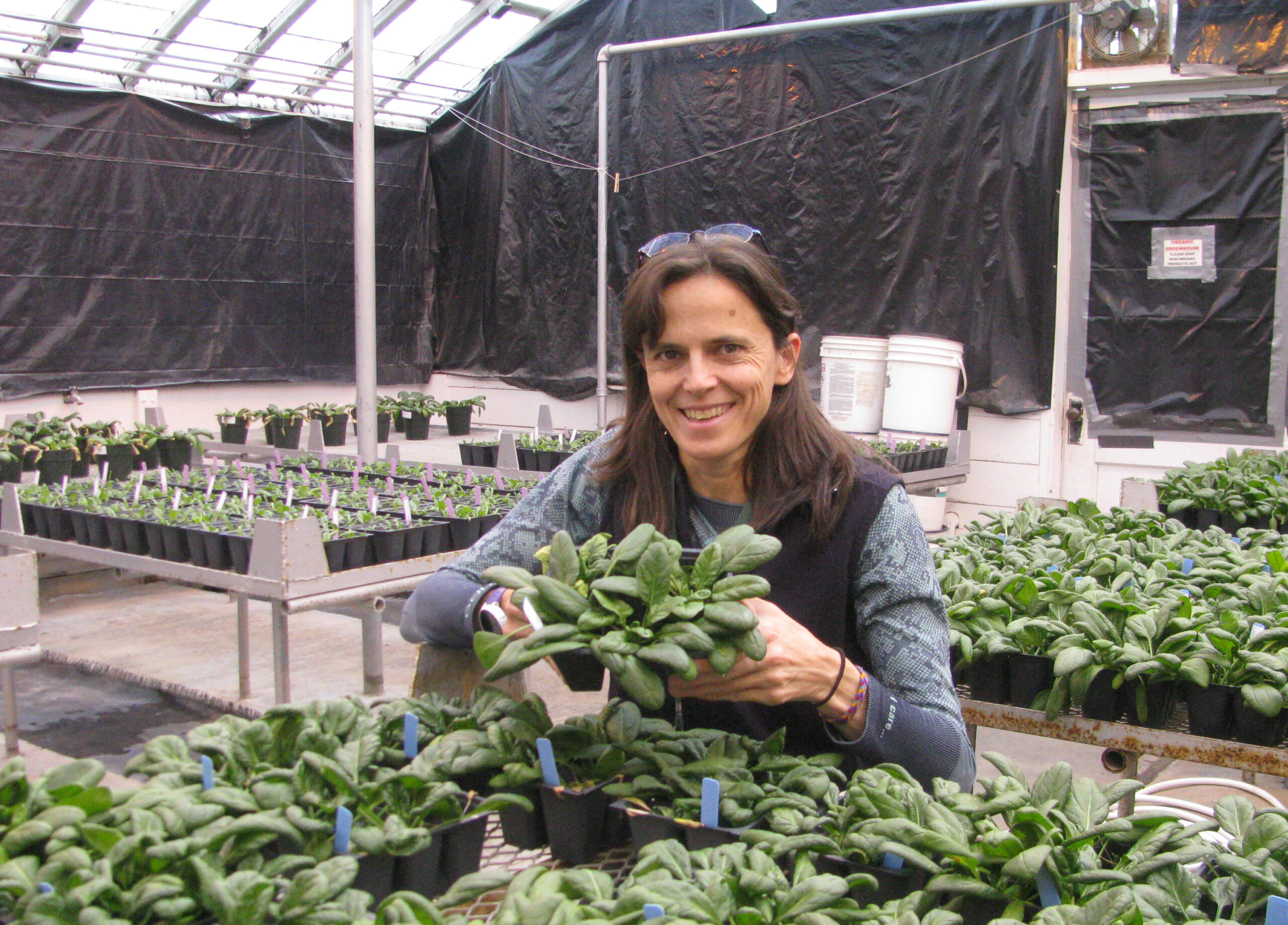
Protecting U.S. spinach crops from fungal threats
Growers of spinach crops face increasing difficulty in managing destructive fungal diseases like Stemphylium leaf spot. Lindsey du Toit’s WSU Vegetable Seed Pathology (VSP) Program found that nearly all the Stemphylium leaf spot fungi attacking spinach in the southern U.S. are resistant to the main class of fungicides that growers were using. Scientists also identified spinach varieties with excellent resistance to the disease. The team’s work spurred grower practice changes that have reduced losses dramatically and allowed farmers to remain in the spinach business: 85% of growers surveyed in Texas in 2024 reported loss reductions ranging from 20 to 60%.
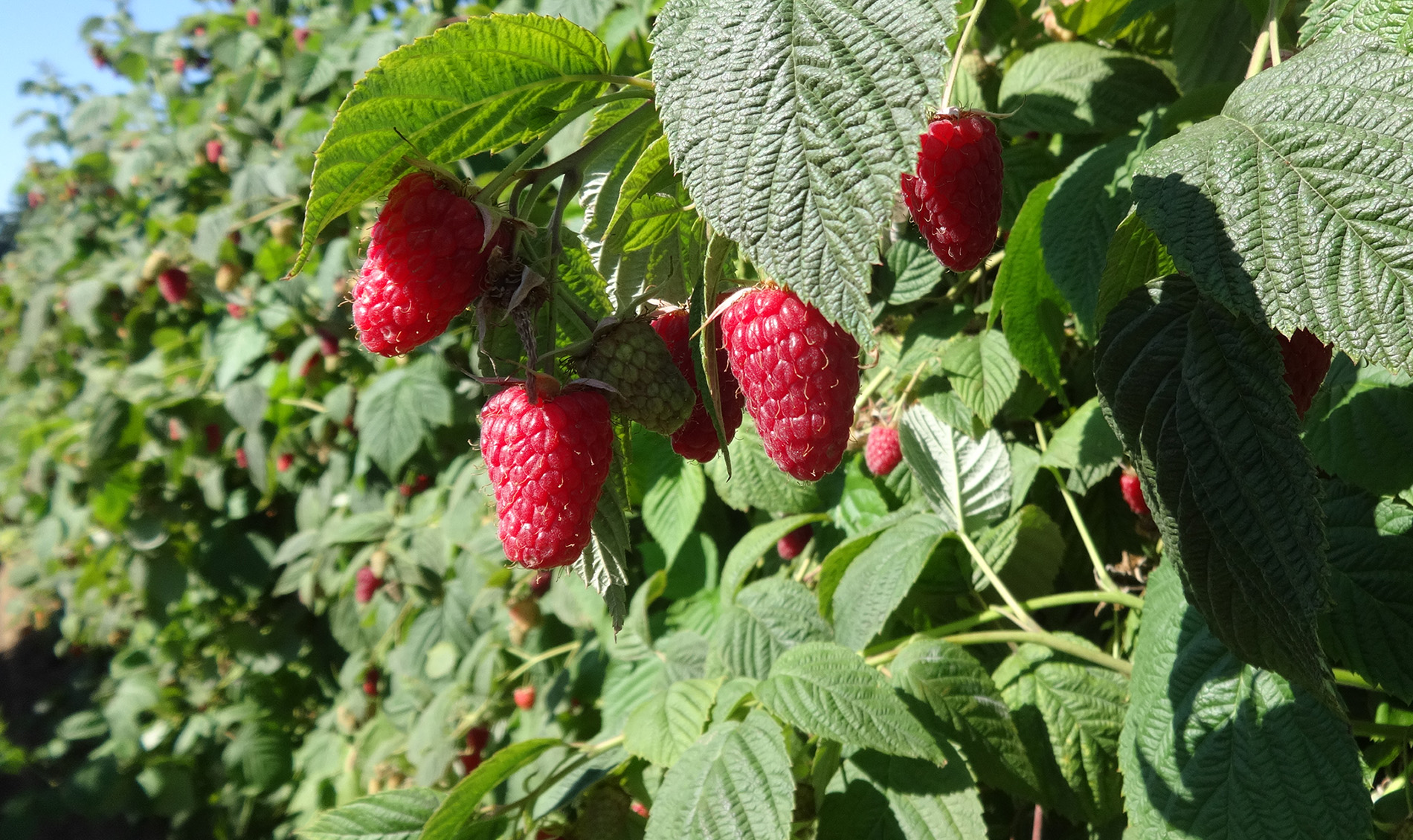
Breeding better berries for PNW growers
The Pacific Northwest is a national leader in production of red raspberries for the processed market. Wendy Hoashi-Erhardt’s Small Fruit Plant Breeding Program is developing new berry varieties with superior qualities: recent work led to gains for root rot tolerance, fruit quality, and machine harvestability. WSU is releasing three new raspberry cultivars for emerging horticultural, environmental, and economic challenges. The program also leads efforts to find the genetic basis of nematode resistance, as well as useful traits like fruit quality and yield.
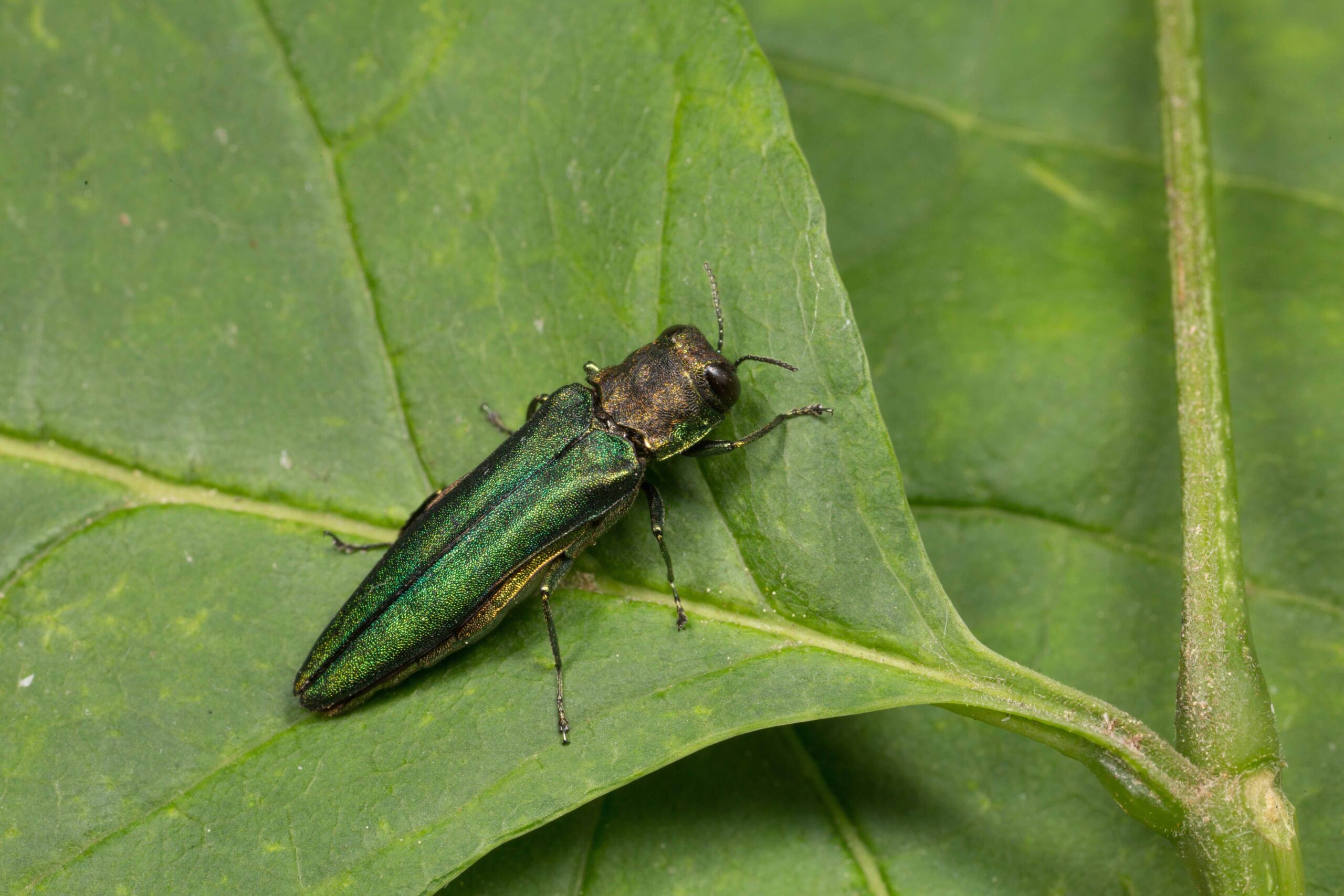
New tools and training to halt pest invasions
Washington is the number-four most at-risk state for exotic pest introductions; early detection is paramount for reducing impacts and costs of invasive species. Faculty at WSU Puyallup Research and Extension Center developed tools and delivered training in 2024 that support and expand invasive species detection and awareness. Center members helped develop an Emerald Ash Borer Emergency preparedness plan for use by counties and cities and co-created monitoring tools for a new turf pest, the European chafer. Faculty also developed and shared documentation and phenology on a newly introduced European Fire Ant and detailed the range expansion due to environmental resilience & adaptation of the California Fivespined bark beetle in Western Washington. Thanks to our work, first detectors show a knowledge gain in diagnosing new invasive species, as well as new awareness for invasive species tools, policy, and reporting. Five cities have adopted the invasive species playbook and three tribes have engaged in preparedness training.
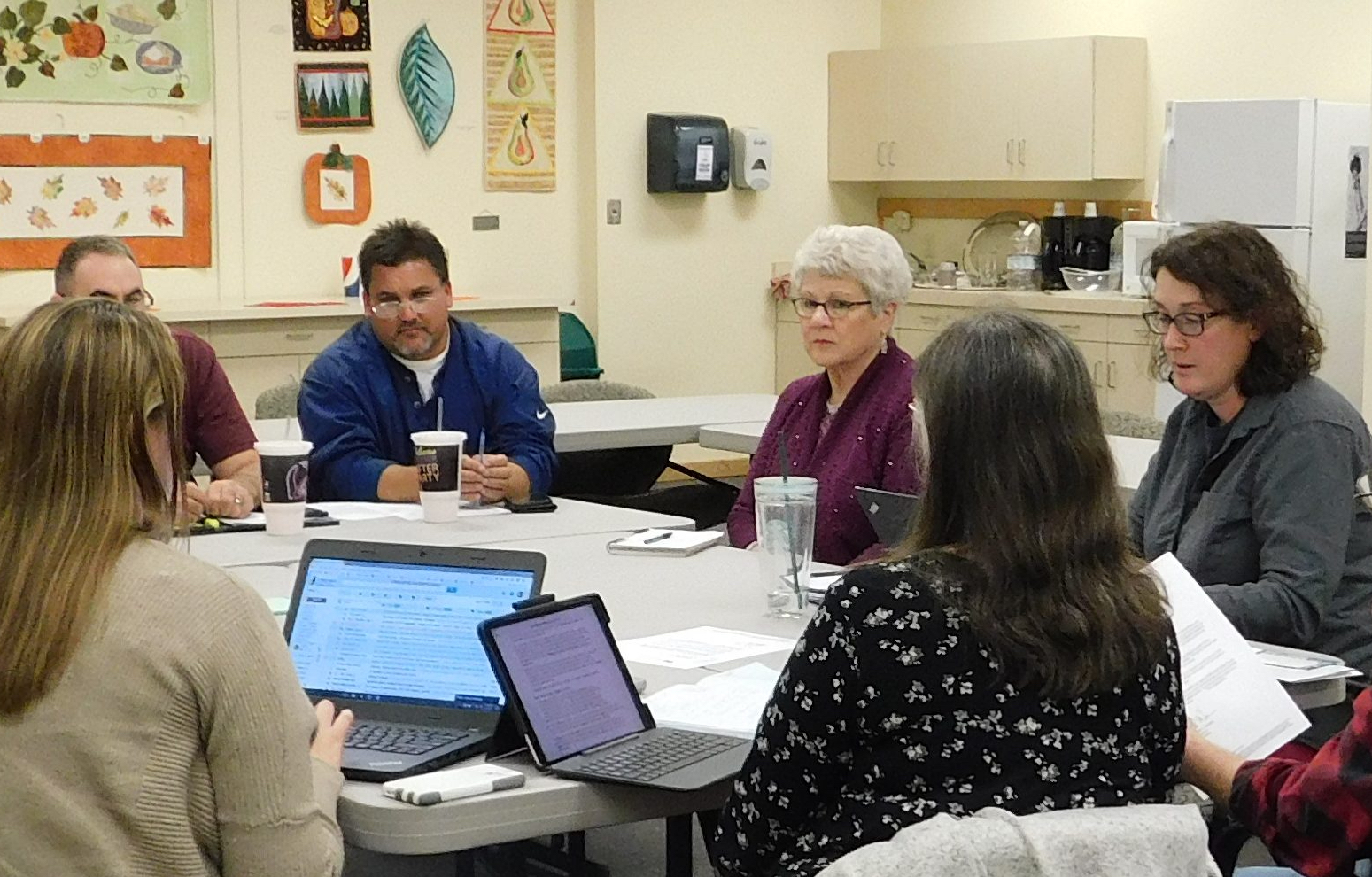
Growing broadband access in rural Washington
Lack of affordable, high-speed broadband access in underserved communities limits our safety, education, and economic opportunities. Created in 2016 and with continuous support by WSU Stevens County Extension faculty, the Stevens County/Spokane Tribe Broadband Action Team (BAT) works to increase access, adoption, and awareness. In 2024, an original Stevens County BAT member organization received a $12 million grant from the Washington State Broadband Office to construct open access fiber infrastructure for high-speed internet to approximately 1,000 homes, 17 businesses, 50 farms, one food bank, and two fire district stations. These remote areas were unreachable at adequate Internet speed without middle-mile fiber. The BAT model was adopted by the Washington State Broadband Office as a community engagement best practice to solve local issues.
Additional Program Highlights

New fellowship will help imprisoned women plan for end of life
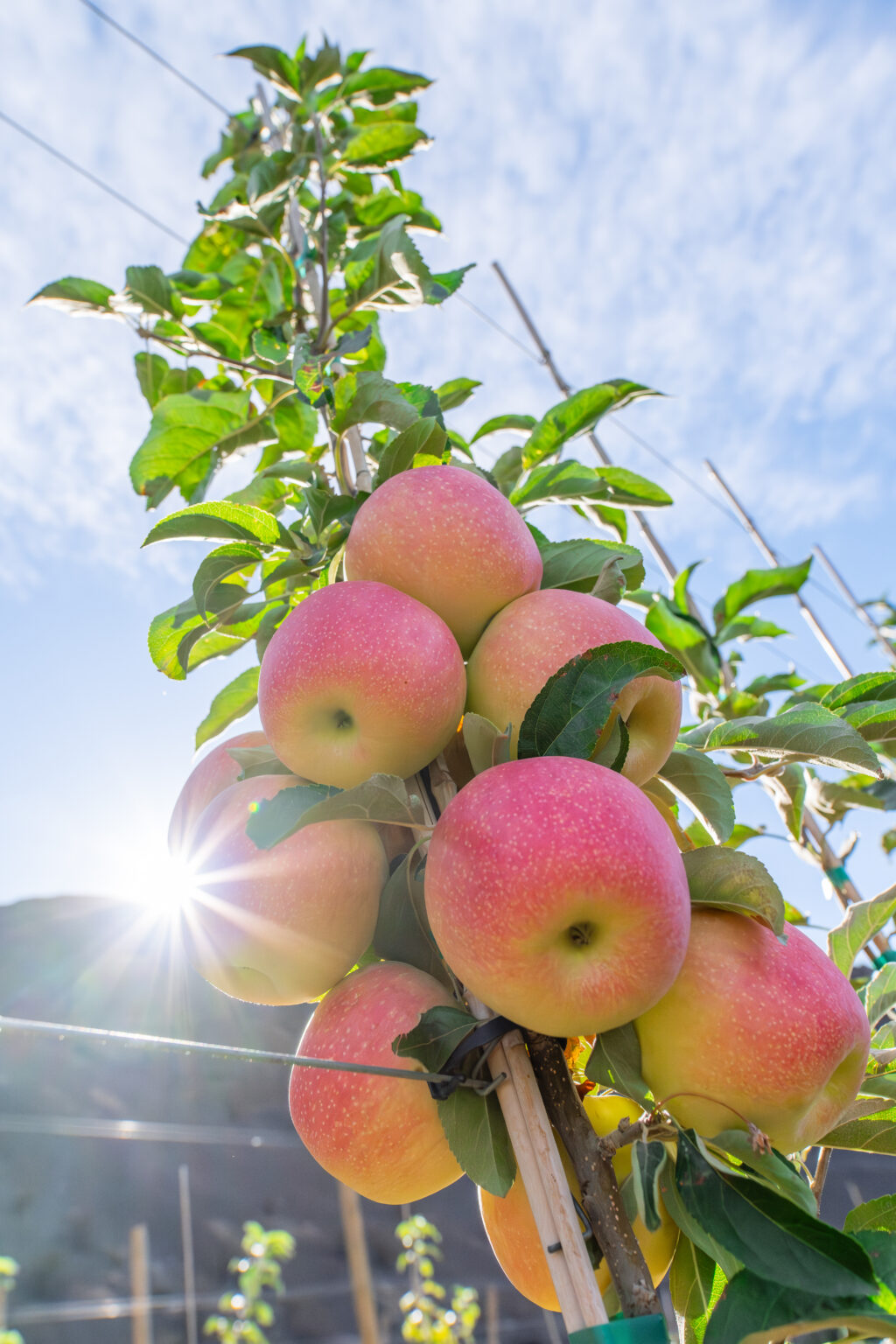
Sunflare chosen as name for WSU’s colorful next apple
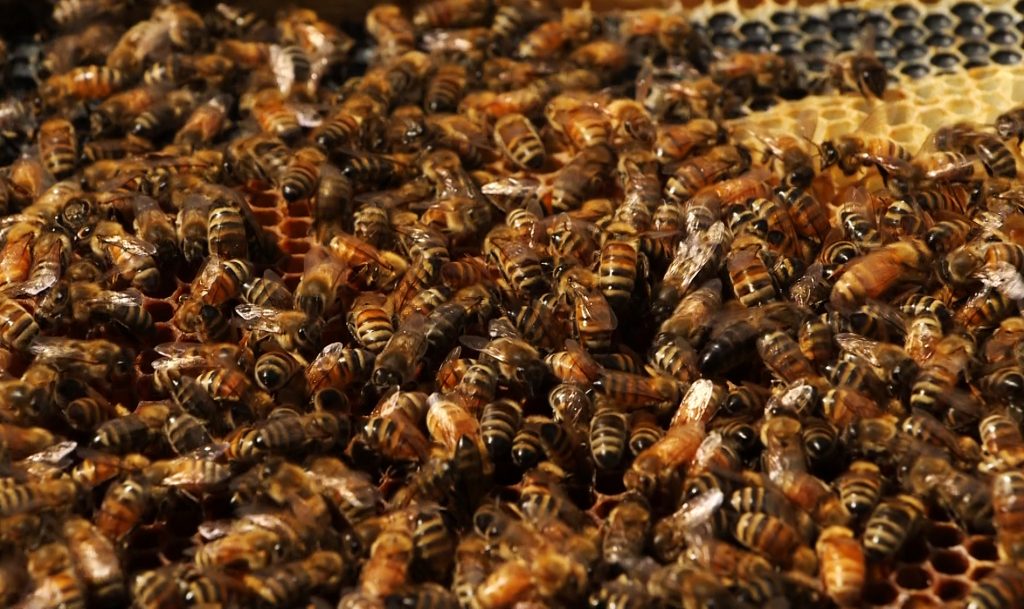
New Spanish site improves access to WSU Honey Bee and Pollinator resources
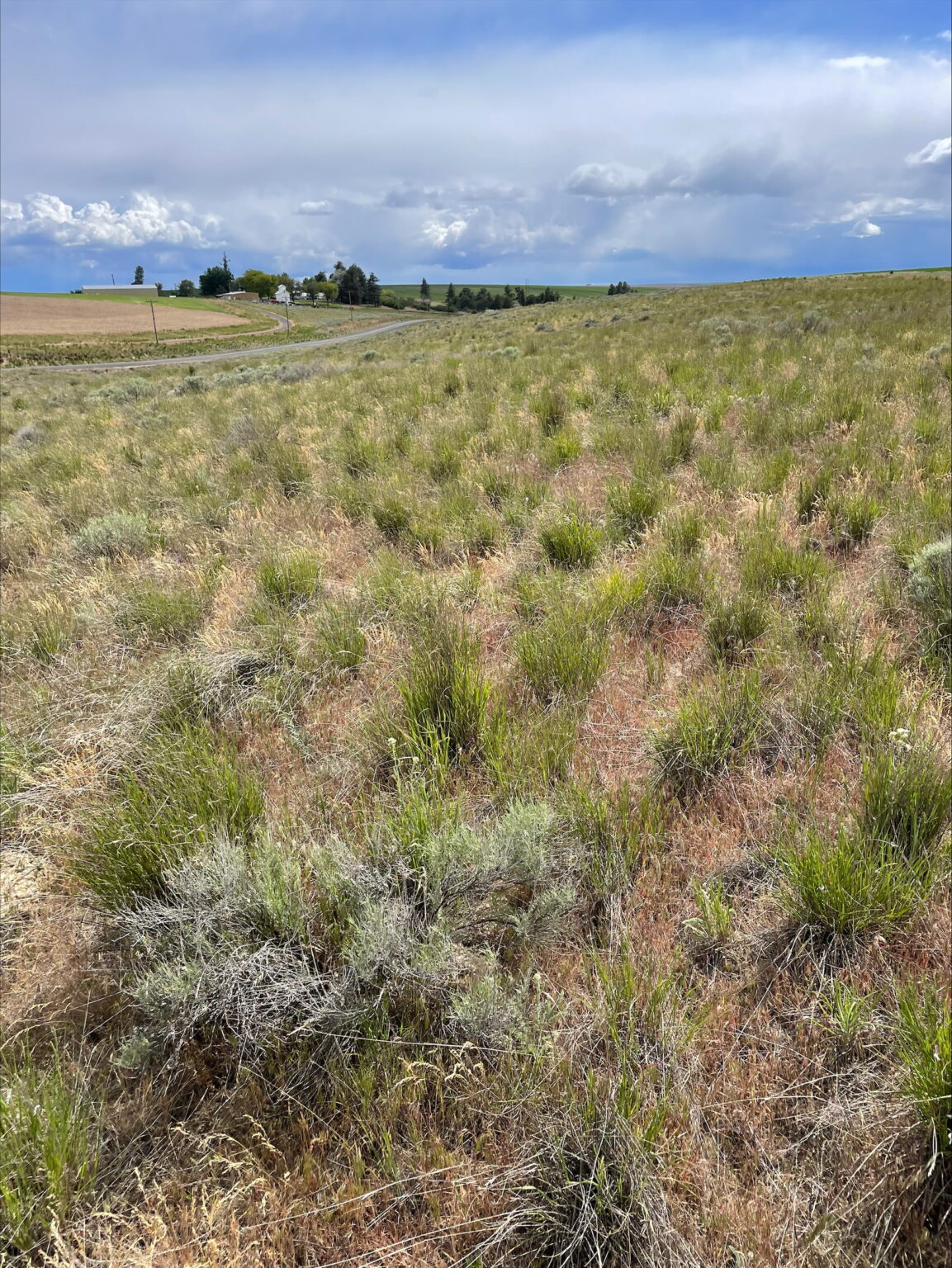
Study to track dryland soil health, wheat yields
Faculty and Staff
Large Grants
New Hires
CAHNRS hired 22 new faculty and staff in Q4: