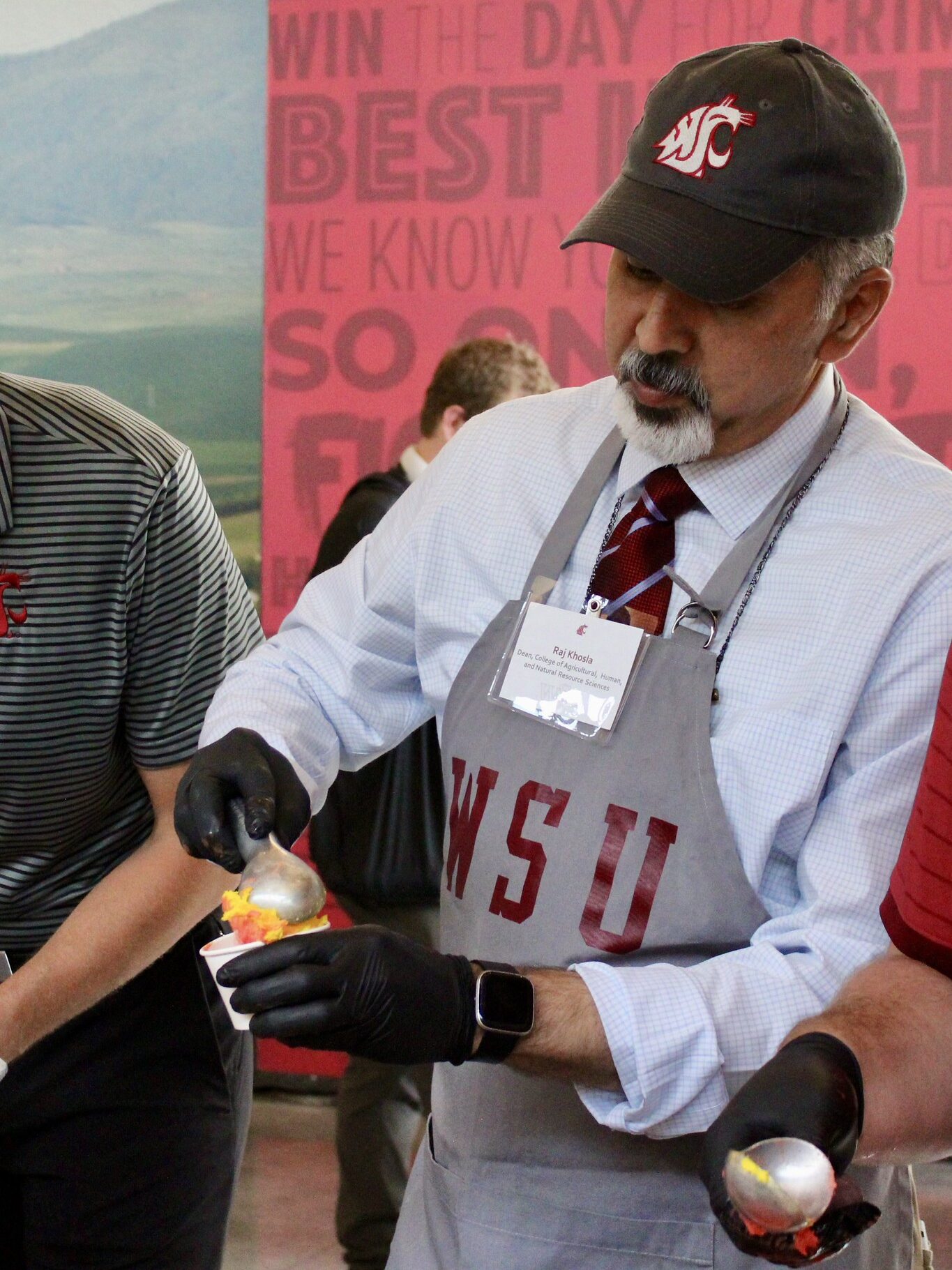
Welcome to fall 2026! There is a special energy that comes with the start of a new academic year. It is the energy of possibility, discovery, and new beginnings. Across our campuses, classrooms, research centers, farms, laboratories, and communities, students, faculty, and staff are coming together once again with a shared purpose: to learn, innovate, serve, and make a difference.
I am delighted to welcome each of you to Washington State University and CAHNRS. Whether you are joining us for the first time or returning to continue your Cougar journey, know that you are part of a community defined by excellence, resilience, and a strong commitment to creating a better future.
One of the most important responsibilities of leadership is ensuring that an institution is prepared for today’s challenges and tomorrow’s opportunities. I am pleased to share that, in partnership with university leadership, CAHNRS has been approved to hire a slate of new faculty members during fiscal year 2027. This significant investment reflects confidence in our mission and our future.
We are already making strong progress, with searches underway for six key faculty positions. Talented researchers and educators from across the nation are visiting our campuses and centers to learn about WSU and the opportunities to make a meaningful impact through teaching, research, and Extension.
Most recently, I participated in final interviews for the Endowed Chair in Soil Health for Potato Cropping Systems, a position that is vital for the innovation and sustainability of one of Washington’s signature agricultural industries. I also participated in interviews for the director positions at both the Wenatchee Tree Fruit Research and Extension Center and the Northwestern Washington Research and Extension Center in Mount Vernon. These dedicated leadership roles will be advancing the mission of our centers and strengthening our connection to the communities we serve. We anticipate announcing selections in the coming weeks.
As I travel throughout the state, I am continually reminded that CAHNRS’ greatest strength is the trust and collaboration we share with Washington agriculture. Our endowed positions in potatoes, grains, and tree fruit stand as powerful examples of what can be achieved when industry and higher education work together toward a common vision. Recent conversations with leaders in Washington’s specialty crop sectors, including raspberry, blueberry, and seed crop producers, reinforced the importance of this partnership. Everywhere I go, I emphasize that CAHNRS is committed to meeting the evolving competency and capacity needs of our state. Yet our aspirations can only be realized through collaboration. Public resources alone cannot support every opportunity before us. To attract and retain world-class faculty, we must continue building partnerships that amplify our impact and strengthen Washington agriculture for generations to come.
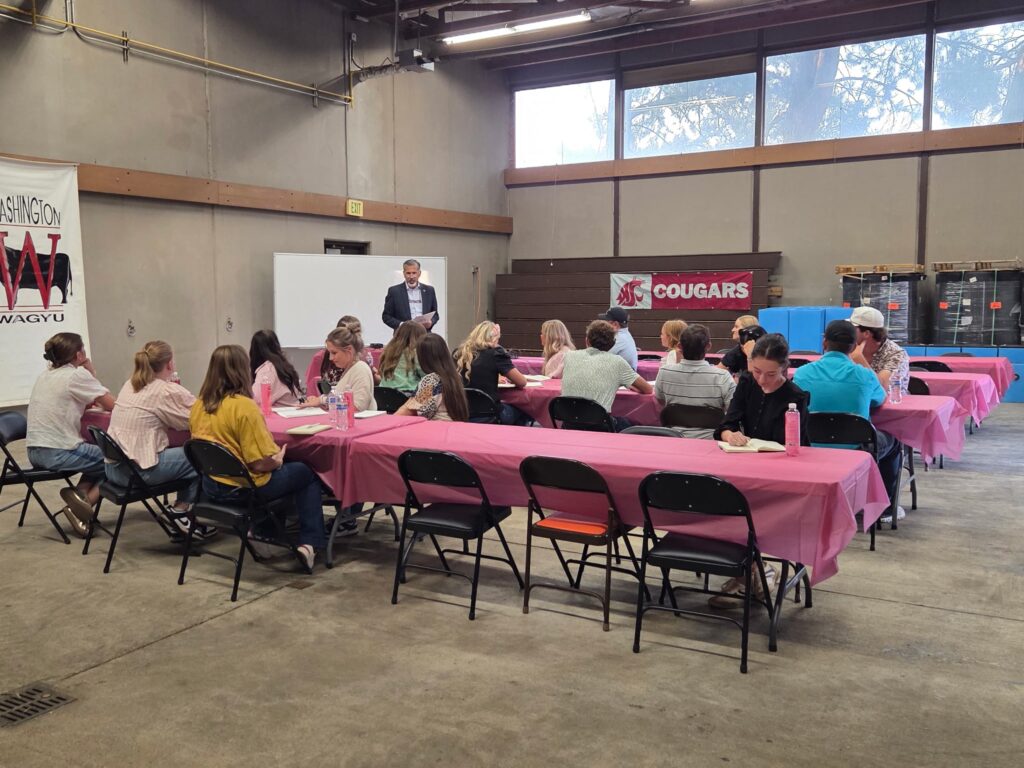
One of the highlights of the month was welcoming the Texas 4-H Youth Livestock Ambassadors to Pullman. Their visit, supported by alumnus and donor Gordon Davis, provided an opportunity to showcase WSU, our people, and our commitment to agricultural education and leadership development. As I moved from table to table during our gathering at the WSU Beef Center, I found myself energized by the students’ enthusiasm, curiosity, and ambition. These young leaders represent the future of agriculture, and conversations like these remind us why our work matters. We were joined by Washington State 4-H Director Kayla Wells-Yoakum, local 4-H members, faculty from the Department of Animal Sciences, newly hired ruminant nutritionist Linda Beckett, and emeritus faculty Charles Gaskins and Jerry Reeves. Special thanks to Andrew Saralecos for helping create a memorable experience for our guests.
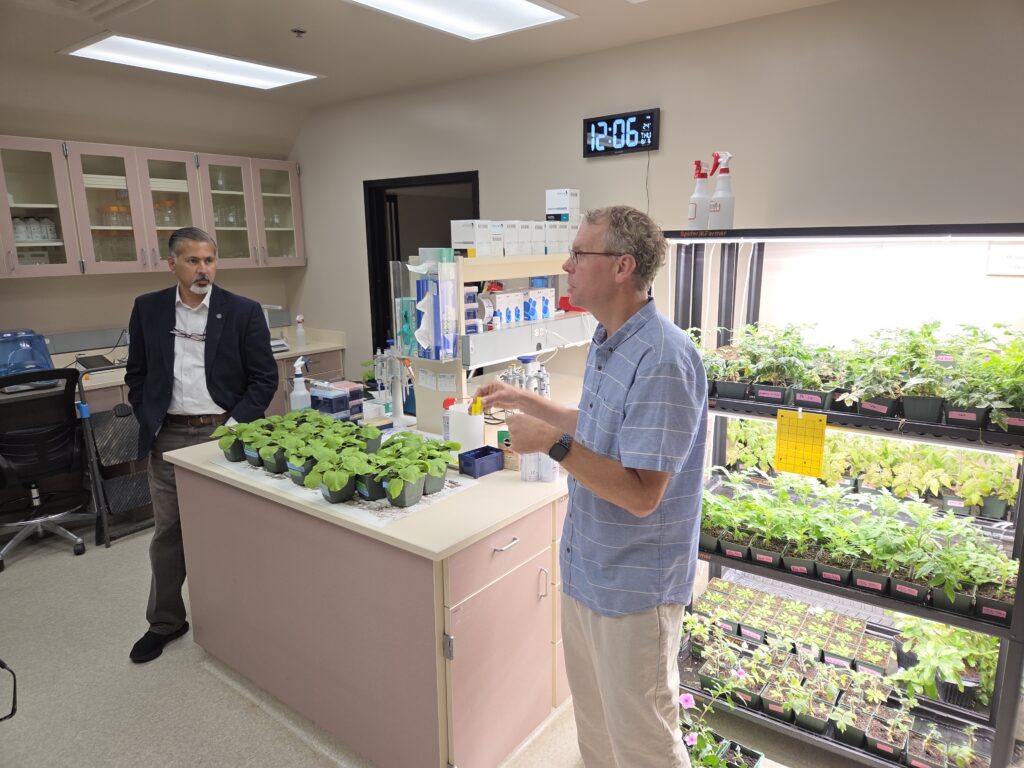
Innovation was another recurring theme during visits across the state. On August 6, I toured the USDA Temperate Tree Fruit and Vegetable Research Unit in Wapato, where federal and university scientists are working side by side to tackle some of agriculture’s most pressing challenges. Their discoveries, including promising research on beneficial symbionts that help plants naturally resist disease, demonstrate the transformative power of collaborative science.
That same day, I met with Department of Entomology faculty during their annual retreat to discuss initiatives that will help position CAHNRS for long-term success. Among these is BOOST, our Business Operations Optimization and Strategic Transformation initiative, which will strengthen business support through a shared-services model. We are also beginning conversations around the creation of a new school that would unite several complementary academic units within the college.
These discussions are still at their earliest stages. Faculty input and engagement will be essential as we explore possibilities. Change is most successful when it is built together, and I encourage everyone to participate as these conversations evolve. Both initiatives will be featured during the next CAHNRS Town Hall.
Partnerships also took center stage during two inspiring engagements with Court Wyckoff, CEO of Wyckoff Farms, the parent company of Chateau Ste. Michelle. Joined by Jean Dodson Peterson and Executive Vice President Sandra Haynes, we welcomed Court, Tygh Wyckoff, and members of their leadership team to the Wine Science Center. The visit highlighted the extraordinary work taking place within our programs and reinforced our shared commitment to educating and preparing the next generation of viticulture and enology professionals.
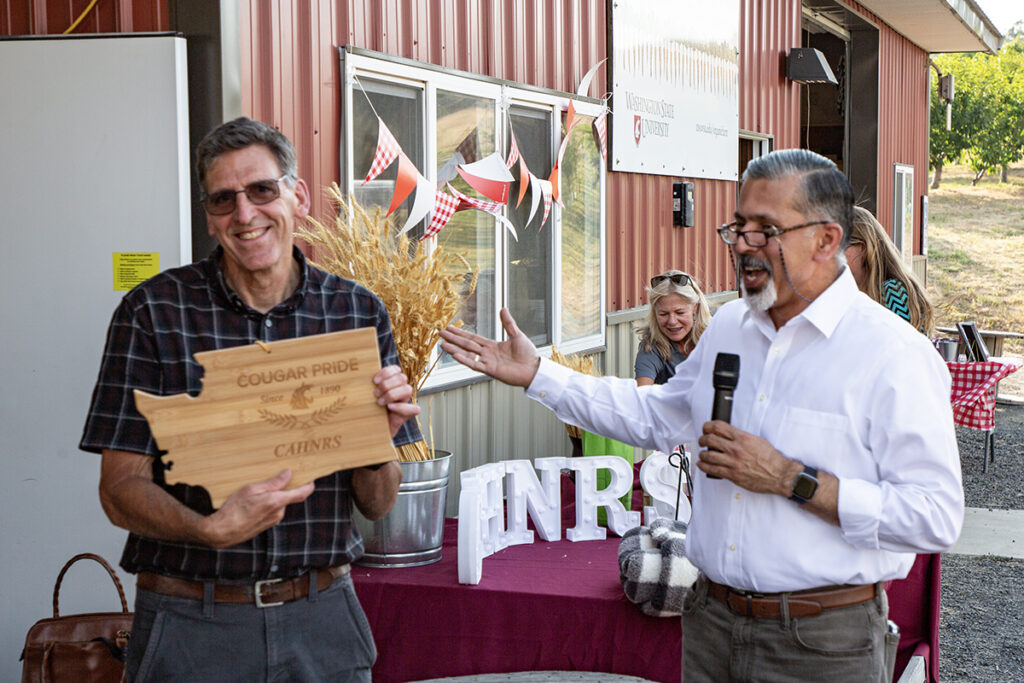
I also had the privilege of celebrating the career of Regents Professor Scot Hulbert during his retirement event at the Eggert Family Organic Farm. The gathering brought together colleagues, industry leaders, collaborators, and friends from across the region. As stories were shared throughout the evening, one theme became quite clear: Scot’s legacy extends far beyond his groundbreaking research. Through mentorship, collaboration, and service, he has shaped careers, strengthened institutions, and improved countless lives. It was a powerful reminder that our greatest impact is often found in the people we inspire and support along the way.
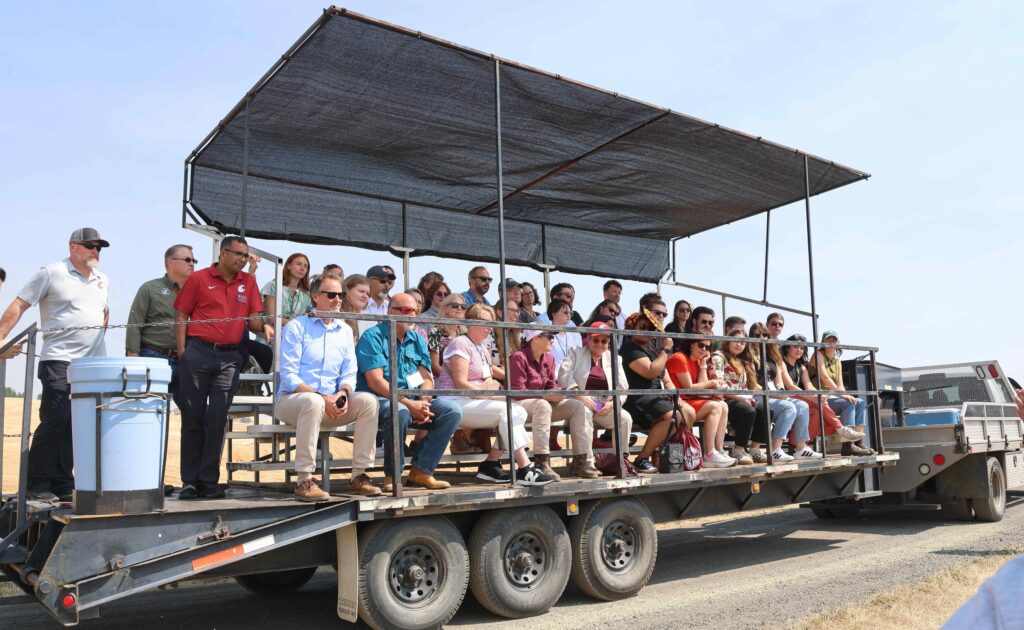
The strength of our partnerships was on full display once again during the Congressional and Legislative Staff Tour hosted by WSU External Affairs and Government Relations. Some 45 visitors experienced firsthand the impact of CAHNRS through stops at Spillman Agronomy Farm, the WSU Horticulture Center, and the new USDA-ARS Plant Biosciences Building. These experiences showcase how research, education, and Extension work together to drive innovation and create real-world solutions.
As summer draws toward fall, enrollment and student success remain top priorities across the university. During the Dean’s Council meeting, we discussed strategies to strengthen both recruitment and retention. We also viewed elements of a forthcoming university marketing campaign highlighting CAHNRS achievements in viticulture, tree fruit, and the development of the Cosmic Crisp® apple.
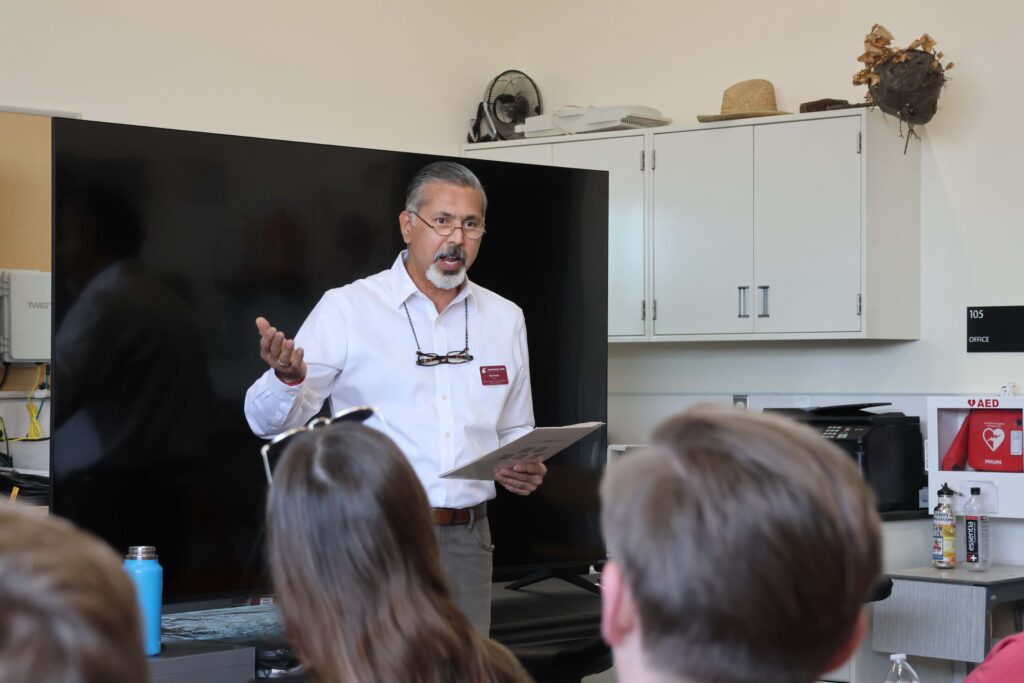
Looking across these past few weeks, I see a common thread connecting every meeting, recruitment effort, partnership, and celebration: investment in people. Whether we are hiring faculty, developing future leaders, strengthening industry relationships, or honoring distinguished careers, our success ultimately depends on the talented individuals who choose to invest their time, expertise, and passion in our mission.
The future of CAHNRS is bright. Together, we are building the capacity, strengthening the partnerships, and creating the opportunities that will define the next chapter of our college’s impact across Washington and beyond.
Kudos Corner
Kudos to Bin Yang, professor in the Department of Biological Systems Engineering, named to the Daily Digest’s Bioeconomy 500 for 2026, recognizing 500 leaders making renewable, bio-based energy, goods, and services a reality. Yang is invited to the Bioeconomy 500 Celebration Party this October in San Francisco.
Deborah Handy, scholarly professor in the Department of Human Development, received the Lifetime Achievement Award from the Family and Consumer Sciences Educators section of the Washington Association for Career and Technical Education.
Congratulations to Brittany Cooper, professor in human development, and her HD coauthors Eleanor Dizon and Gitanjali Shrestha, for their new paper in Prevention Science, describing a joint initiative to strengthen processes for youth substance use prevention.
Carrie Shofner, Wahkiakum County Extension director, and Caitlin Bletscher, scholarly associate professor in human development, earned awards from the Community Development Society. Shofner received the Innovative Program Award for her Wahkiakum Common Ground program, while Bletscher received the Outstanding Community Development Educator Award for her efforts to develop future professionals and strengthen communities.
Doug Walsh, professor in the Department of Entomology, received the inaugural 2026 Jerry Baron SOAR Award from the IR-4 Project. This award recognizes his exemplary service, outreach, altruism, and exceptional commitment to specialty crop growers and the project’s mission.
Kudos to Swapnika Medikonda and Miriam Ruiz, IAREC-based doctoral and master’s students, respectively, under Assistant Professor Claire Murphy in the School of Food Science, who received Cascadia Institute of Food Technologists scholarships to support their education and professional development.
Until next time, Go Cougs!
Sincerely,
Raj