My thoughts are with the thousands of Washingtonians in the hard-hit Spokane area as well as other fire-ravaged communities across our state. Our neighbors, students, family members, and friends are being impacted by this disaster, and CAHNRS will have an important role to play in helping the region recover. Information and assistance for students, community members, and employees affected by the Spokane wildfires have been centralized at the Spokane Emergency Support Resources website. For now, please keep abreast of conditions and keep yourselves and your loved ones safe!
August is here, and with it comes the beginning of another academic year. It is amazing to realize that I am approaching my first anniversary as dean of CAHNRS. What a truly extraordinary year it has been: a year of learning, discovery, partnership, and purpose. Every conversation, every visit, and every experience has revealed new dimensions of our college’s impact across Washington and beyond.
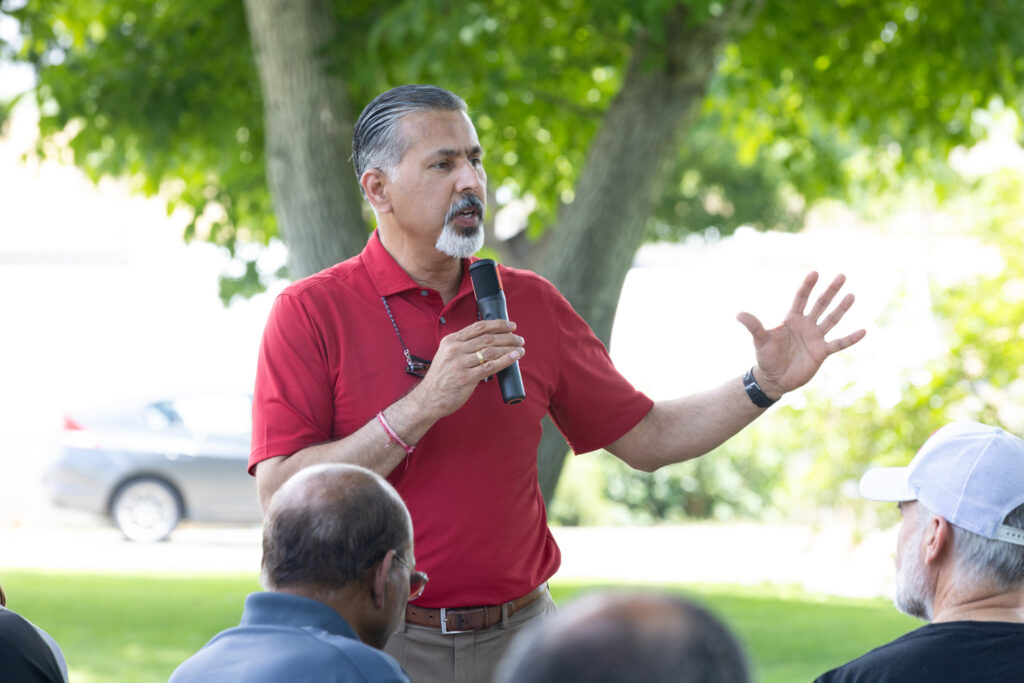
And what a journey it has been. Over the past year, I have averaged more than 160 meetings each month and had the privilege of connecting with thousands of individuals across our state and around the nation. I have visited every CAHNRS Research and Extension Center multiple times, toured departments, laboratories, farms, and support units, and shuttled monthly to the state capitol in Olympia to engage with policymakers.
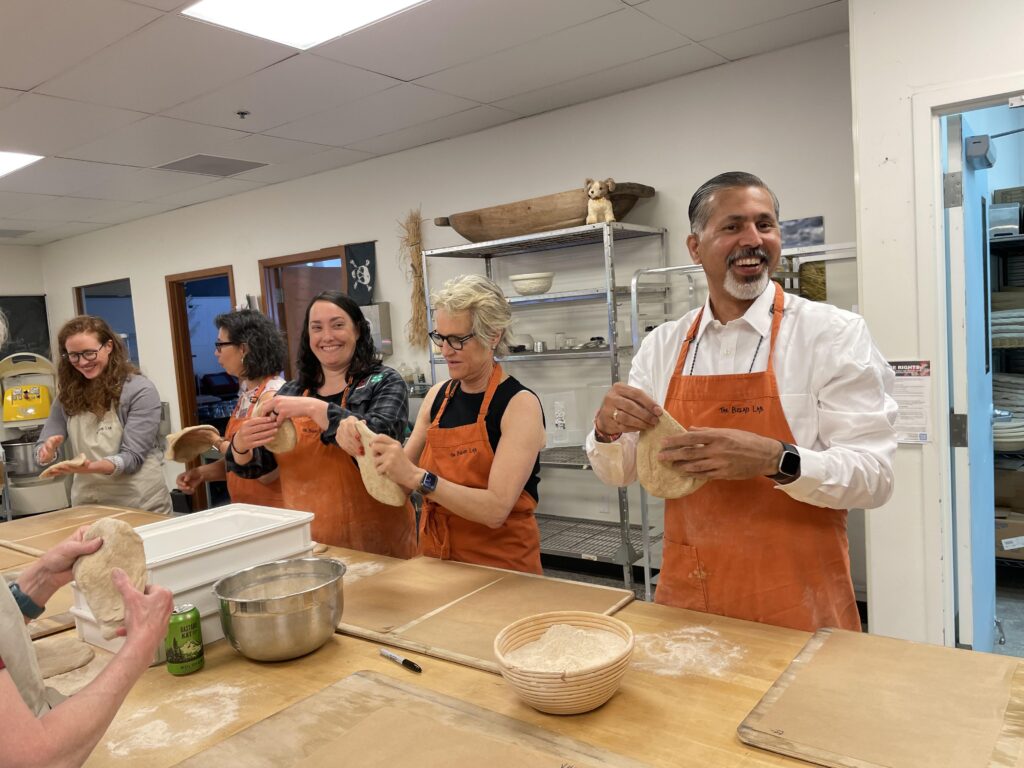
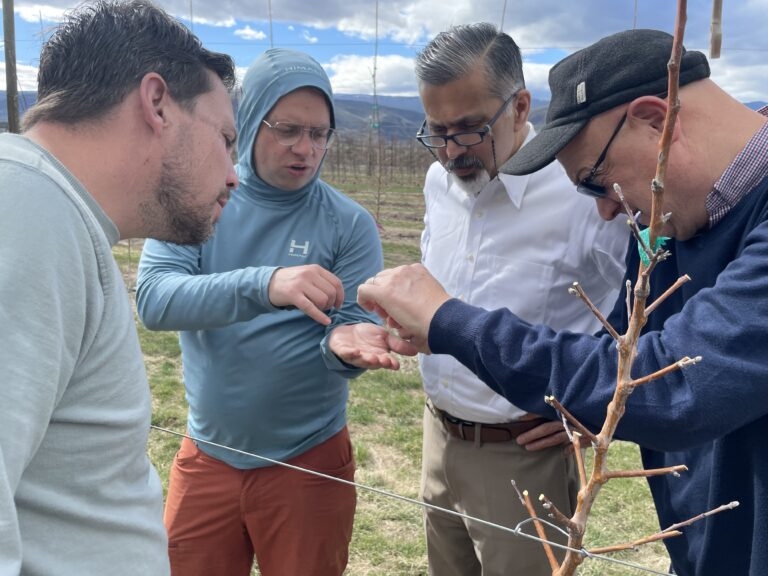
More than 50 trips took me across Washington state, to Washington, DC, Philadelphia, Lexington, Kentucky, and many other locations where I met with legislators, industry partners, donors, institutional collaborators, and national leaders and counterparts in higher education and agriculture. My journey is far from over. I remain committed to engaging with and visiting every county and tribal area we serve throughout the state, ensuring that every community has the opportunity to be heard and represented.
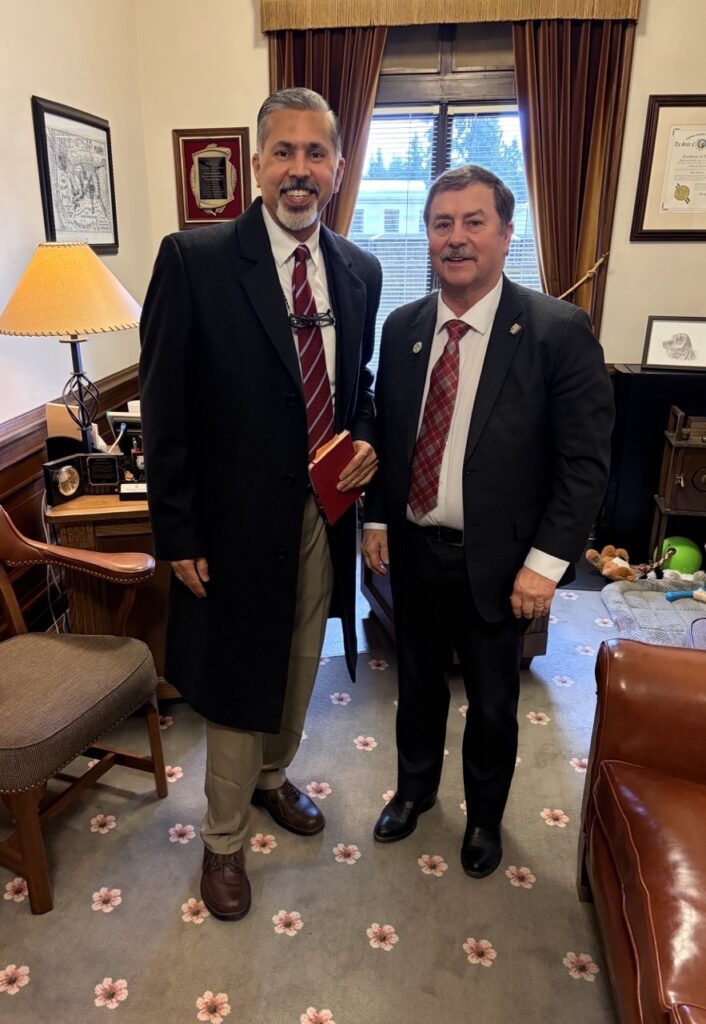
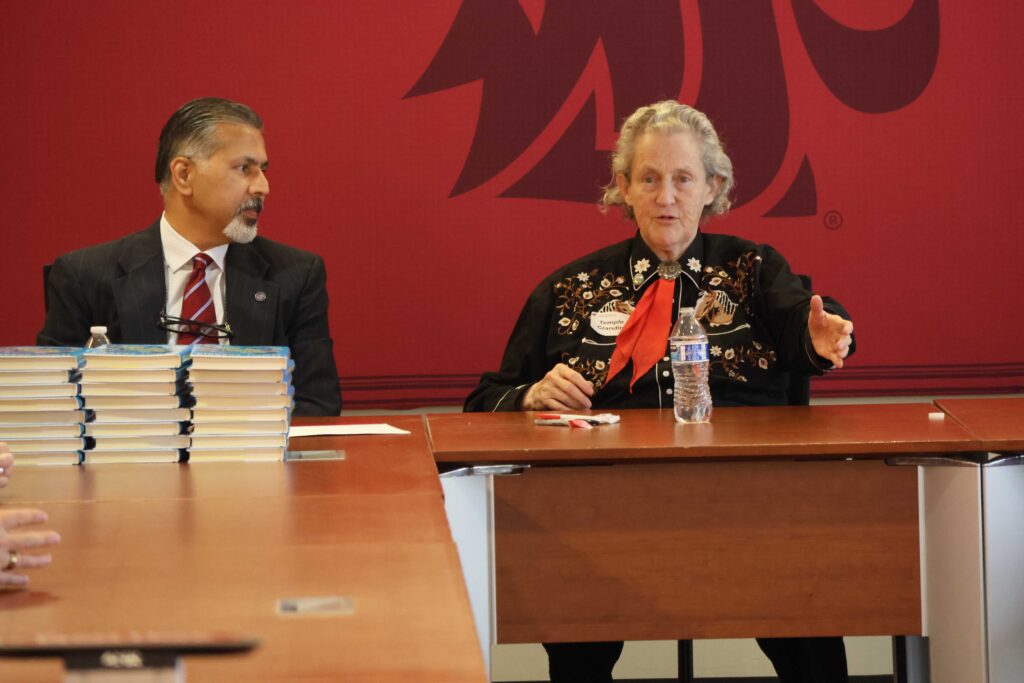
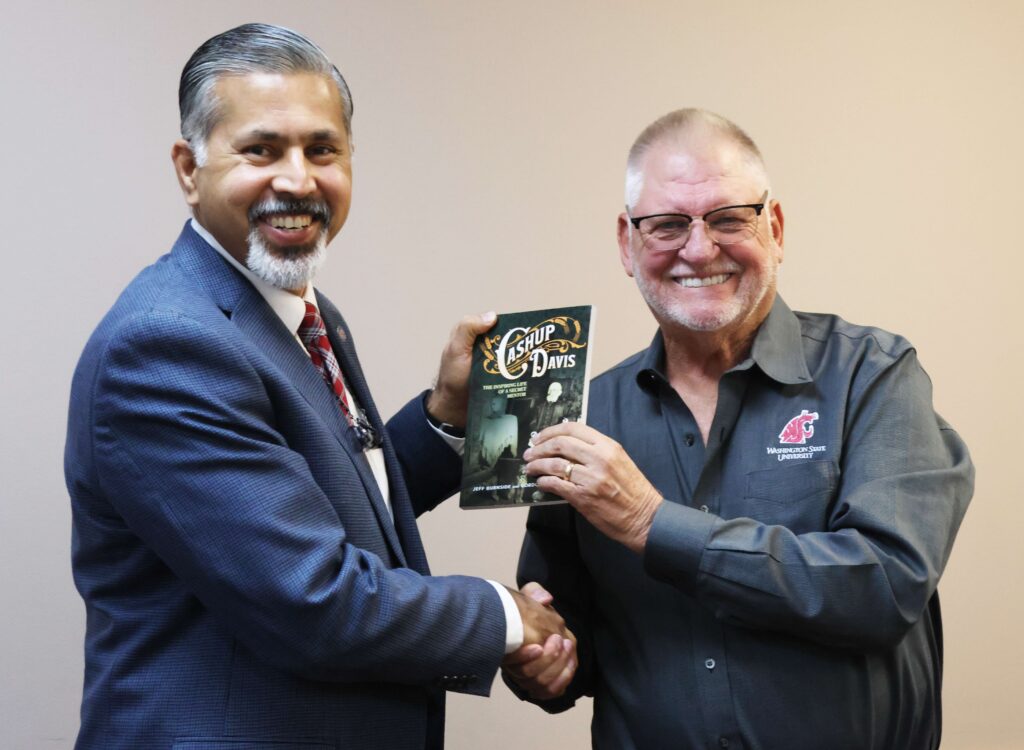
Most importantly, this has been a year of listening. Listening to growers, producers, industry leaders, commissioners, alumni, students, faculty, staff, and stakeholders who care deeply about the future of agriculture, food systems, natural resources, and communities. I have had the opportunity to engage with visionary supporters such as Gordon Davis, public servants such as Senator Mark Schoesler, international representatives from Japan, India, and the United Kingdom, and countless others who share a commitment to advancing the land-grant mission. One of the year’s defining moments was welcoming Temple Grandin to Pullman for the inaugural Cashup Davis Family Endowed Dean’s Distinguished Lecture, where a capacity audience gathered to celebrate the power of ideas, innovation, and public impact.
It has also been a year of many firsts. Together, we launched the inaugural CAHNRS Dean’s Leadership Tour, bringing college leadership directly to communities and partners across the state to share connection, purpose, and vision. We also held the first State of the College Address and launched Coffee Beans with Deans, creating informal new opportunities for meaningful dialogue and connection with faculty, staff, and students. We celebrated the debut of the Harvest Market during a home football game weekend, featuring products born from CAHNRS innovation, from Cosmic Crisp® apples to Cougar Gold cheese. These milestones represent more than events; they reflect our commitment to building a stronger, more connected, more visible CAHNRS. I am sure there are many more firsts to come in the future.
Perhaps what has inspired me most is our students. Over the past year, I have witnessed firsthand the talent, curiosity, and determination of the next generation. I had the pleasure of welcoming more than 2,000 young people at the 96th Washington FFA Convention and Expo here at Pullman. I met our Top Scholars, first-year students embedded in live research experiences, as well as the outstanding CAHNRS Ambassadors, experienced students who play a phenomenal role in supporting activities on campus. Our students remind us daily why our work matters and why investing in their success remains among our highest priorities.
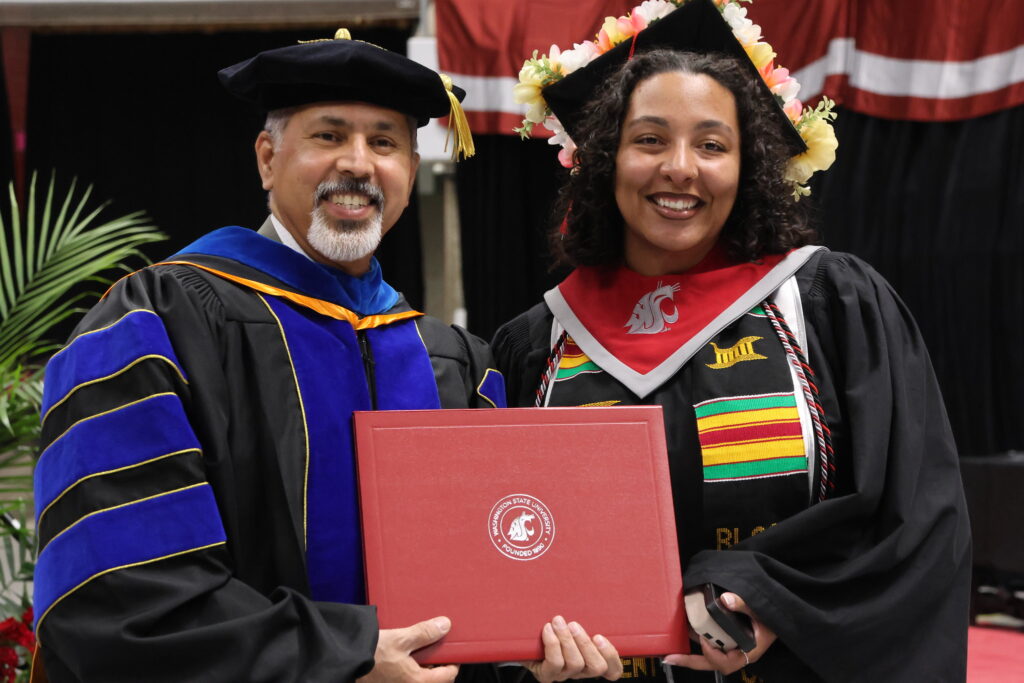
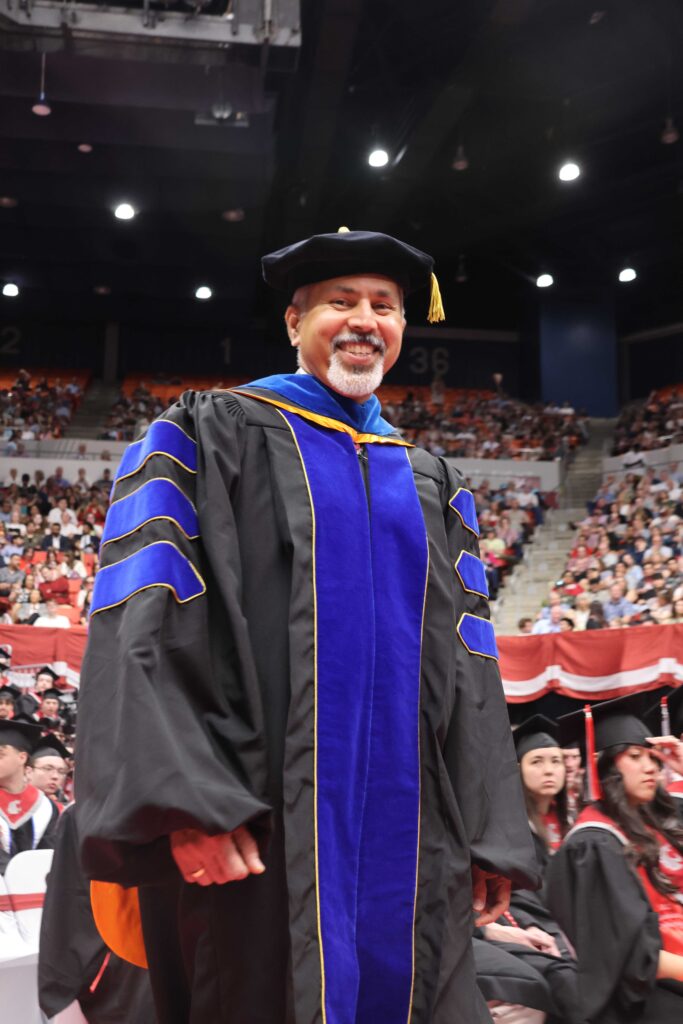
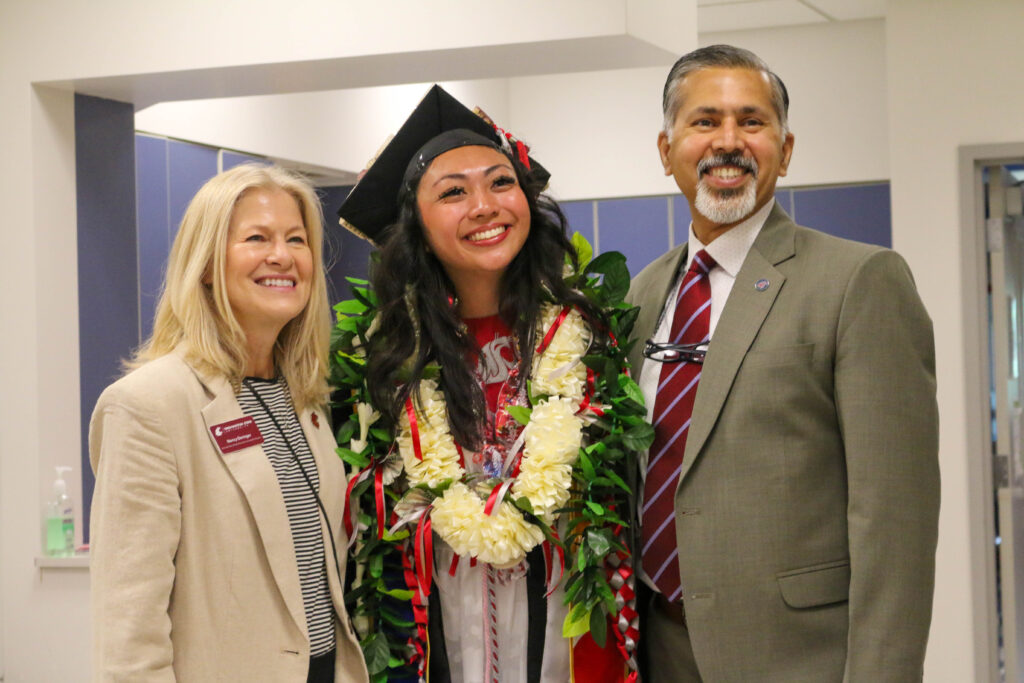
One of the most meaningful moments of my first year as dean came this May during our spring commencement ceremony, when I had the distinct honor of presenting 182 CAHNRS graduates to President Cantwell and conferring their degrees. Standing on that stage and witnessing the culmination of their hard work, perseverance, and achievement was both humbling and deeply rewarding, serving as a powerful reminder of the transformative impact of our land-grant mission. As these talented and determined students crossed the stage, I saw the fulfillment of years of dedication, and the promise of a new generation of leaders, innovators, and changemakers ready to shape the future. Few moments in my career have been as gratifying as sharing in this milestone and celebrating the remarkable potential, resilience, and ambition of our graduates. Their success fills me with profound pride, confidence, and optimism for the future they will help create.
At the same time, our faculty, staff, and researchers continue to make an extraordinary impact. During the past year, CAHNRS leveraged more than $109 million in competitive extramural funding while securing transformational investments in initiatives such as the federally supported aquaculture resilience center and the Center for Health, Environment, Food and Farming. These investments strengthen our ability to solve complex challenges, foster innovation, and deliver meaningful benefits to Washington, the nation, and the world.
Our people remain our greatest strength. During the past fiscal year, we welcomed 115 new colleagues (67 staff and 48 faculty members), including outstanding leaders such as Department of Human Development Chair Kory Floyd, Director of Strategic Initiatives Krissi Hewitt, Associate Dean for Research and Graduate Studies Sieg Snapp, and many talented educators, researchers, and professionals who are helping shape our future. We also celebrated significant achievements, including the promotion and tenure of 16 faculty members and the graduation of nearly 300 undergraduate and graduate students. At the same time, we expressed our gratitude to cherished colleagues whose careers have left a lasting mark on CAHNRS, including former Associate Dean and longtime plant pathologist Scot Hulbert and Extension Ag and Natural Resources Program Unit Director Karen Lewis. Their legacies will continue to inspire future generations.
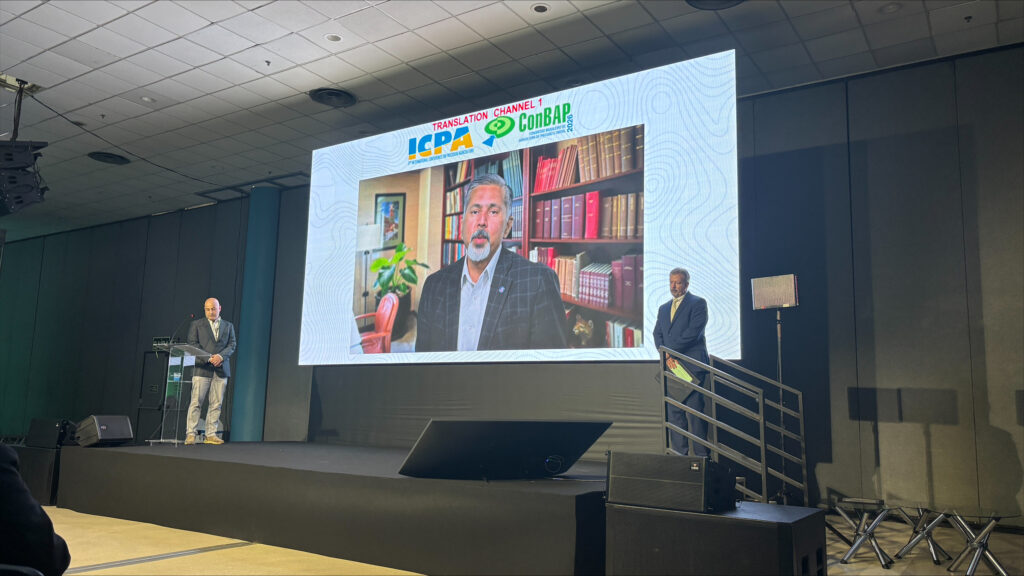
Amid the many exciting milestones and memorable firsts of the past year, there was also a moment of profound sorrow. On November 30, I lost my mother, and with her passing, I joined countless others who have experienced the loss of both parents. While such a loss is irreversible, it also offers an opportunity to reflect on the values, sacrifices, and aspirations that shape our lives. My family and I felt deeply compelled to honor the legacy of my parents, S.P. Khosla and Usha Rani Khosla, in a way that would continue their lifelong commitment to education, opportunity, and service. Out of that commitment was born the S.P. Khosla and Usha Rani Khosla Memorial ISPA Founder’s Award, established through the International Society of Precision Agriculture (ISPA). Today, I am both proud and humbled to celebrate the inaugural recipient of this scholarship, Thiago Costa Barboza, a doctoral student at the Universidade Federal de Lavras in Brazil. This award was created to support graduate students from emerging economies and enable their participation in the global precision agriculture community.
As I reflect on this first year, I am filled with gratitude and optimism. Gratitude for the warm welcome I have received throughout the CAHNRS community, and optimism for what lies ahead. Everywhere I travel, I see evidence of excellence, innovation, resilience, and commitment to service. Together, we are advancing the land-grant mission in ways that improve lives, strengthen communities, and create opportunities for future generations. This is an exciting time to be part of CAHNRS. Our momentum is strong, our opportunities are significant, and our future is bright.
As we prepare for the year ahead, please save the date for the next CAHNRS Town Hall on September 29, where we will discuss BOOST (the Business Operations Optimization and Strategic Transformation initiative); creating a new school; and other important developments shaping our college’s future. I look forward to sharing more about where we are headed and how, together, we will continue building an even stronger CAHNRS.
The best chapters of our story are still ahead of us. Thank you for being part of this journey.
Kudos Corner
Congratulations to Regents Professor Jill McCluskey, director of the School of Economic Sciences, a newly named inaugural member of the National Academies of Sciences, Engineering, and Medicine’s Food, Nutrition, and Agriculture (FNA) Program Advisory Committee. McCluskey, who began her two-year term July 1, will encourage new collaboration and inquiry into issues of food, agriculture, and wellbeing.
Congratulations to our three faculty members newly elected to the Washington State Academy of Sciences (WSAS): Lindsey du Toit, professor and chair of the Department of Plant Pathology; Girish Ganjyal, professor and Extension food processing specialist in the School of Food Science; and Mark Lange, professor and director of the Institute of Biological Chemistry. This brings the number of WSAS members from CAHNRS to 24.
Additional kudos to Girish Ganjyal and his master’s student Steven Verver for their international training work this summer in Bangkok, Thailand. The School of Food Science partnered with USA Pulses Southeast Asia in a three-day session for 33 professionals from Thailand, Vietnam, and the Philippines, examining ways to incorporate pulses in innovative snack products.
Kudos to Michelle Moyer, professor and viticulture Extension specialist in the Department of Viticulture and Enology, who will give the keynote talk at the upcoming 2026 Sustainable Ag Expo, November 10-11 in San Luis Obispo, California.
Congratulations to Deepti Singh, associate professor in the School of the Environment, for her contribution to a new report from the National Academies of Sciences, Engineering and Medicine. This project assessed the current capabilities of extreme event attribution, a scientific field that examines how climate change influences extreme weather.
Until next time, Go Cougs!
Sincerely,
Raj