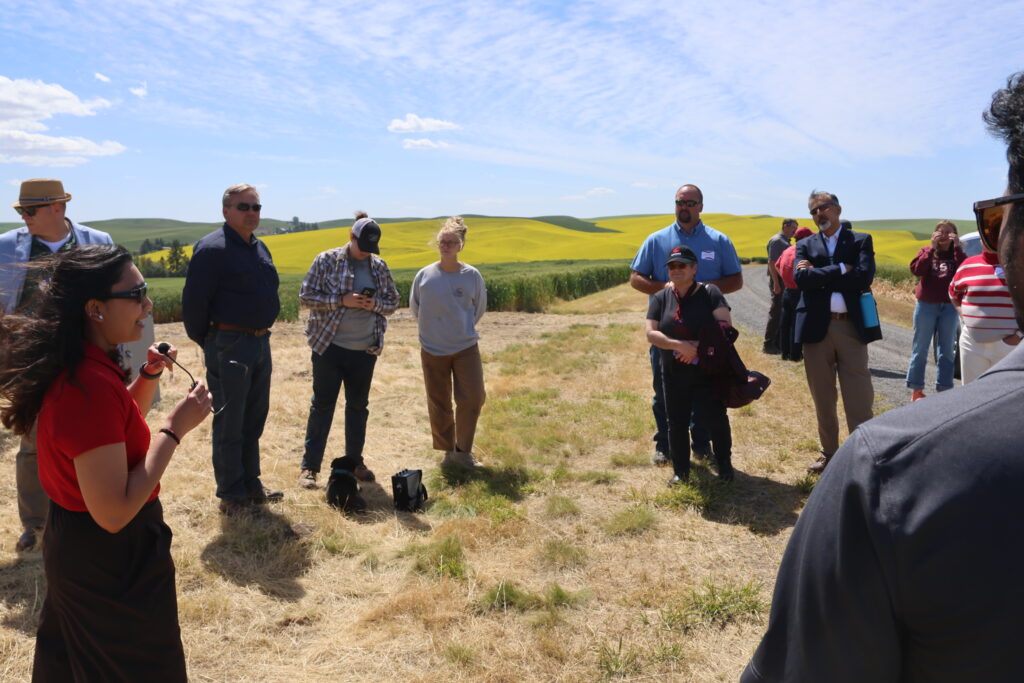
I am consistently reminded of the value and impact of our work across Washington. In conversations with stakeholders in every corner of the state, I hear deep appreciation for the contributions of CAHNRS researchers, educators, Extension professionals, and outreach specialists. Their work is advancing knowledge, strengthening communities, and improving lives. While we must never stop telling the story of our land-grant mission, the past two weeks offered powerful affirmation that this story is resonating. I observed this impact firsthand at field days and special events over the past two weeks.
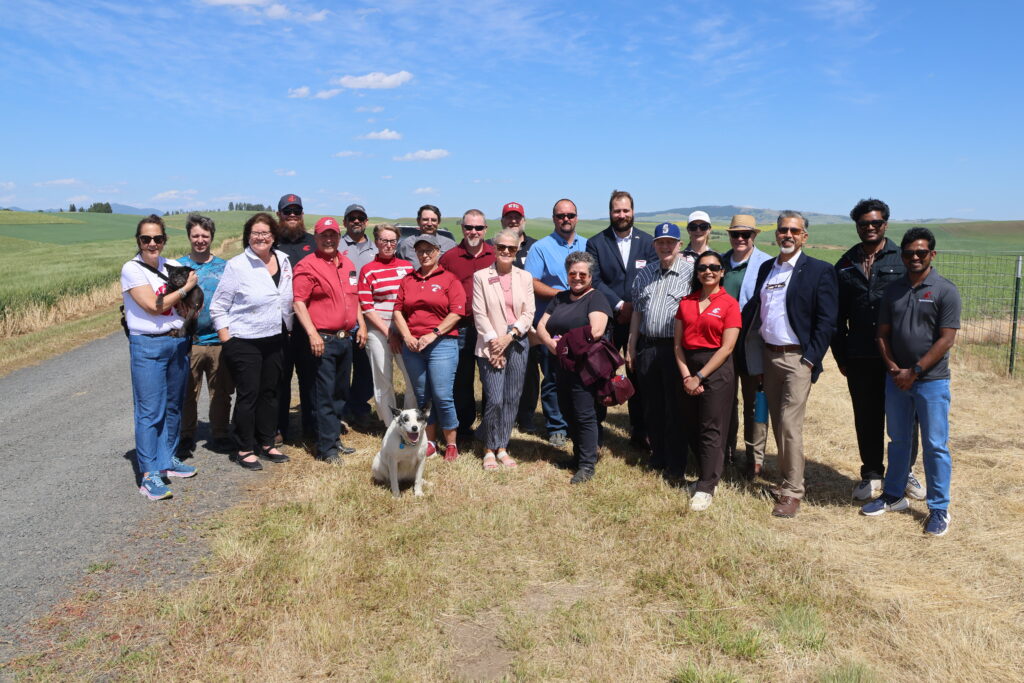
On June 16, I co-hosted a WSU research tour and roundtable with agricultural advisors to U.S. Representative Michael Baumgartner. I was joined by State Senator Mark Schoesler and leaders representing Washington’s tree fruit, grains, potato, and wine industries. What they experienced throughout the day was nothing short of a comprehensive demonstration of CAHNRS excellence.
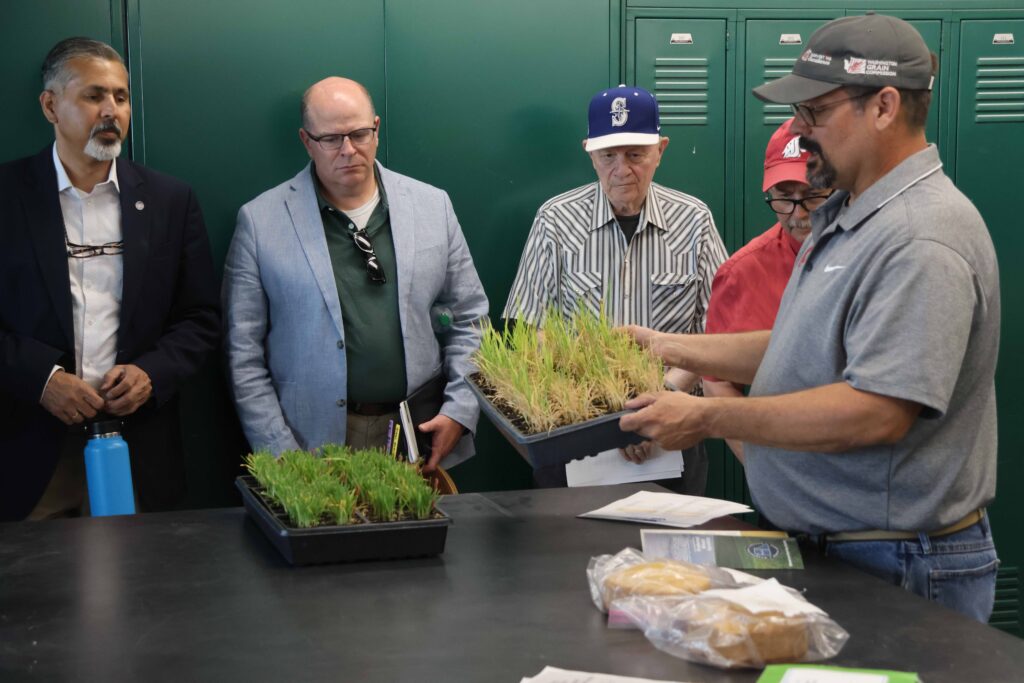
At the Carver Farm aquaculture laboratory, Assistant Professor Michael Phelps gave an impressive introduction to his work and demonstrated how WSU stands tall globally in aquatic molecular physiology. At the Plant Growth Facility, Professor Mike Pumphrey, graduate student Anna Carroll, and research associate Marija Savic showcased the future of wheat breeding and small grains research. At the Spillman Agronomy Farm and the WSU Horticulture Center, our Biological Systems Engineering students and Decision Aid System researchers demonstrated technologies that directly benefit agricultural producers.
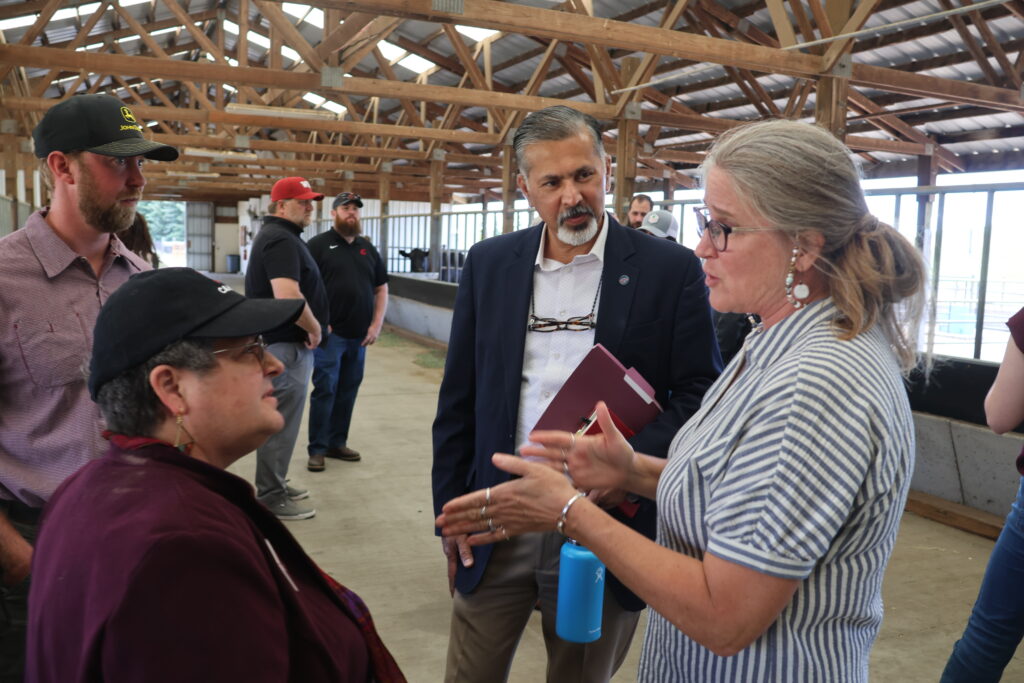
We concluded at the WSU Creamery, where School of Food Science Director Soo-Yeun Lee and Creamery Manager John Haugen outlined the revitalization and expansion of the creamery. Each stop reinforced a simple but powerful message: Our work matters, and it delivers real-world impact.
On June 18, I visited the WSU Pesticide Resources and Education Program in Pullman, led by Director Wendy Sue Wheeler. The program’s work sits at the critical intersection of science, safety, and public trust. Through education on pesticide use and labeling, the program serves both producers and consumers while generating more than $860,000 annually in service center revenue. Delivering 52 courses last year—nearly one per week—the program’s reach and impact is both significant and inspiring.
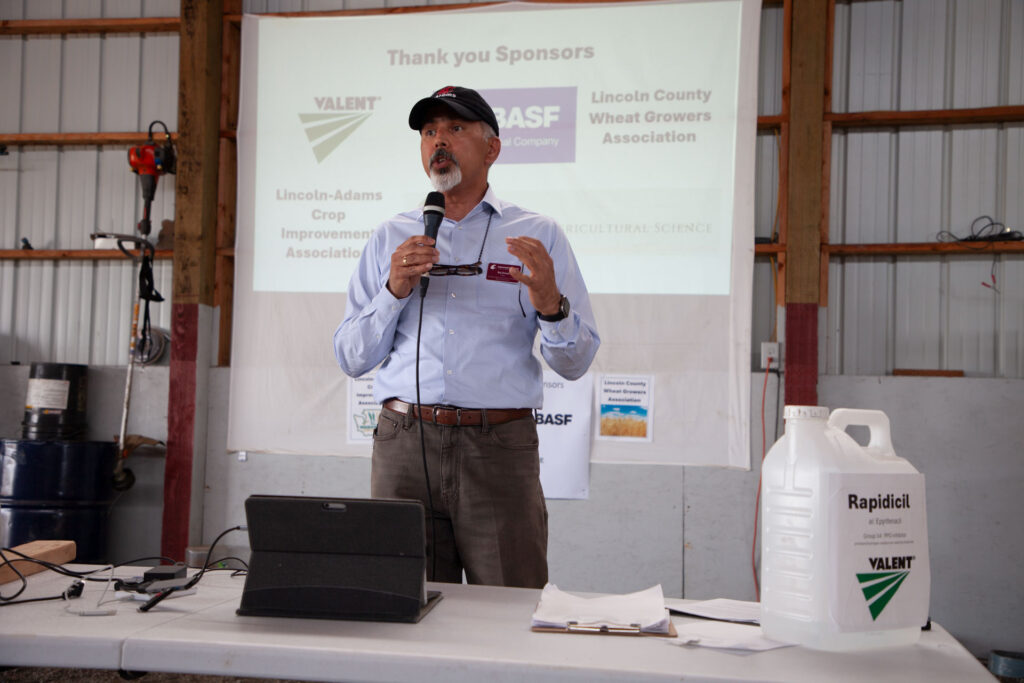
Engagement with producers remains foundational to me and to our mission. On June 23, I joined nearly 120 attendees in Davenport, Washington, at the Wilke Research and Extension Farm Field Day, which was organized by Aaron Esser, regional Extension agronomist and Adams County director, and his team.
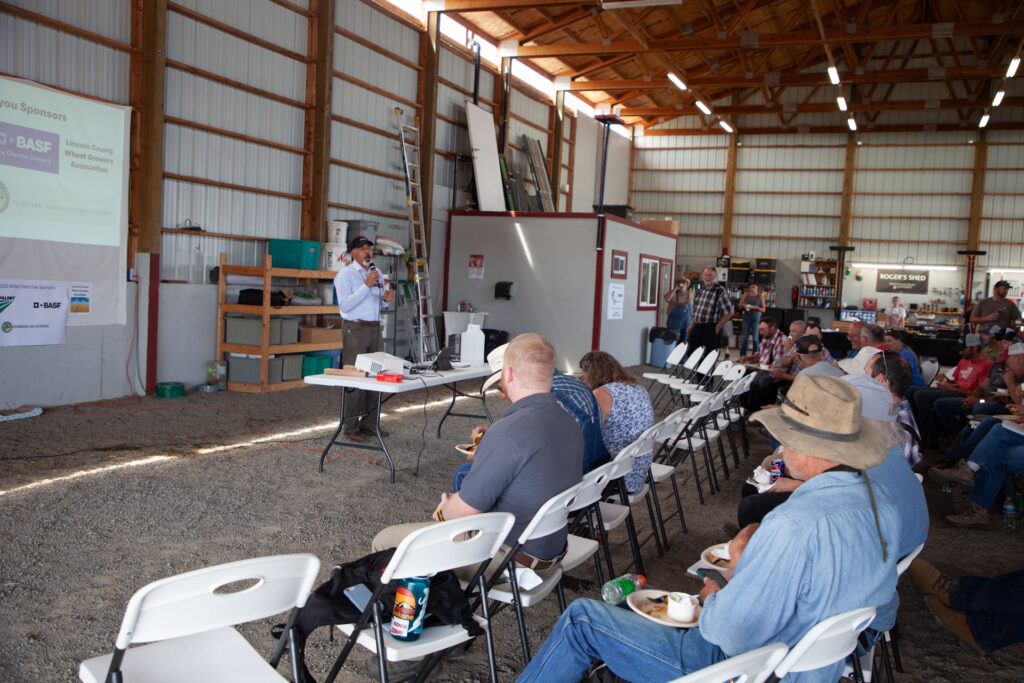
The event highlighted the strength of WSU research and the value of cross-university collaboration, including contributions from colleagues at the University of Idaho. Grain producers value our work at Wilke Research and Extension Farm, and this was reflected in their participation and questions.
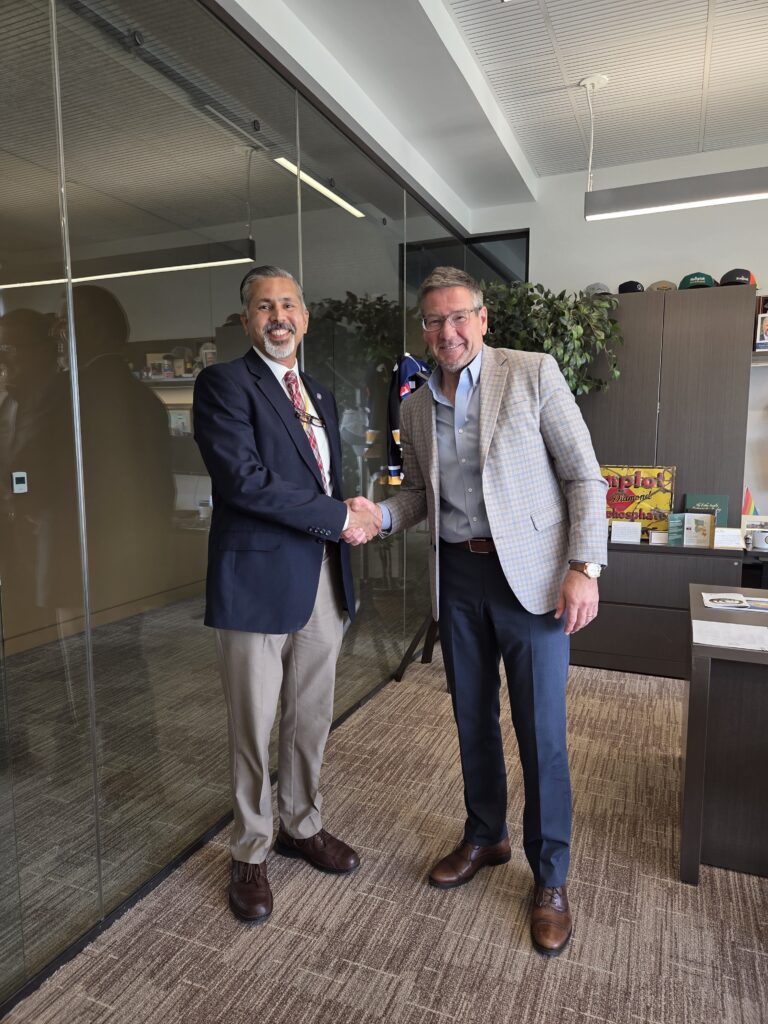
That same spirit of engagement carried into June 24, when I met with senior leadership of the J.R. Simplot Company in Boise, Idaho, alongside Alex Pietsch, WSU Associate Vice President for Corporate Engagement, and CAHNRS Office of Development colleagues James Smith and Shea Saralecos. As one of the world’s largest privately held agribusiness companies, with significant operations including major potato, livestock, and vegetable processing facilities in Washington, Simplot represents the kind of strategic partner essential to our future. Our conversations reinforced a critical point: Industry leaders want to know what our faculty are doing, and we must continue creating pathways for connection. Strengthening private partnerships is a priority for our institution, and I will work closely with WSU Corporate Engagement to demonstrate how we add value to operations across the state.
On June 25, I took part in the WSU Potato Field Day in Othello, Washington, which was attended by more than 300 members of the potato industry. It was great to share the impacts of our potato research program. Kudos to scientists Mark Pavek and Jake Blauer, who delivered a great event with a whole slate of presenters including WSU faculty, staff, and students, as well as USDA faculty. Both Mark and Jake were spoken highly of during my conversations with two dozen growers and stakeholders, many of them Cougar alumni.
Following the field day, I toured the 500-acre Othello Research Farm with IAREC Director Naidu Rayapati and Ag and Maintenance Manager Mike Clouse. The scale and potential of this site are remarkable. Supporting a $980 million potato industry and advancing irrigated agriculture, this facility is central to our mission. Yet its infrastructure does not yet match its potential. To that end, I have asked Associate Dean for Research Sieg Snapp to explore opportunities to partner with stakeholders to modernize and expand the capabilities of this critical resource.
Closer to home, our “Coffee Beans with Deans” gathering on June 17 drew an encouragingly strong turnout, even in the midst of summer. Students, faculty, and staff (many attending for the first time) came together for open conversation and connection. These moments matter, and I encourage all of you to join us at a future session.
And finally, amid these professional engagements, I had the opportunity to experience a different side of Washington with my family. Over the weekend of June 20-21, we visited Leavenworth, where we hiked the Icicle Ridge Trail and experienced a shady, dense forest that is different from the forests we remember in Colorado. We also rode the Alpine Coaster and enjoyed the food, sights, and unique character of the town and region while spending meaningful time together. These moments of perspective and connection remind us why our work—and the communities we serve—are so important.
Taken together, these experiences underscore a defining truth: CAHNRS is making a difference. Our challenge and our opportunity lie in continuing to amplify that impact, strengthening our partnerships, and ensuring that our work reaches those who need it most.
Kudos Corner
Congratulations to all nine newly selected 2026-2027 Cashup Davis Dean’s Faculty Fellows. Faculty members Priya Chakrabarti Basu, Kim Davenport, Ashley Hernandez-Hall, Youngsoo Lee, Bryan Mader, Rae Olsson, Michael Phelps, Alison White, and Zihui Zhao each received this new award, which ranges from $2,500 to $10,000 and supports high-impact student learning experiences, interdisciplinary scholarship, and solutions for communities across Washington.
Kudos to WSU Extension Associate Professor Ashley Hernandez-Hall, who received a $19,000 INSPIRE! Community Engaged Research Seed Grant. This award funds her study of collaborative problem solving to enhance volunteer training and youth development in 4-H.
Happy retirement to Judy Hopkins, CAHNRS career and internship development coordinator. Judy was celebrated at a going-away party on June 30 for four years of work in CAHNRS, along with nine years leading internships at WSU prior to that. Thank you and best wishes, Judy!
Until next time, Go Cougs!
Sincerely,
Raj