CAHNRS Connections January 2026
Newsletter brought to you by CAHNRS Student Success and Academic Programs.
CAHNRS Honors – Dean’s Honor Roll Recognition Celebration

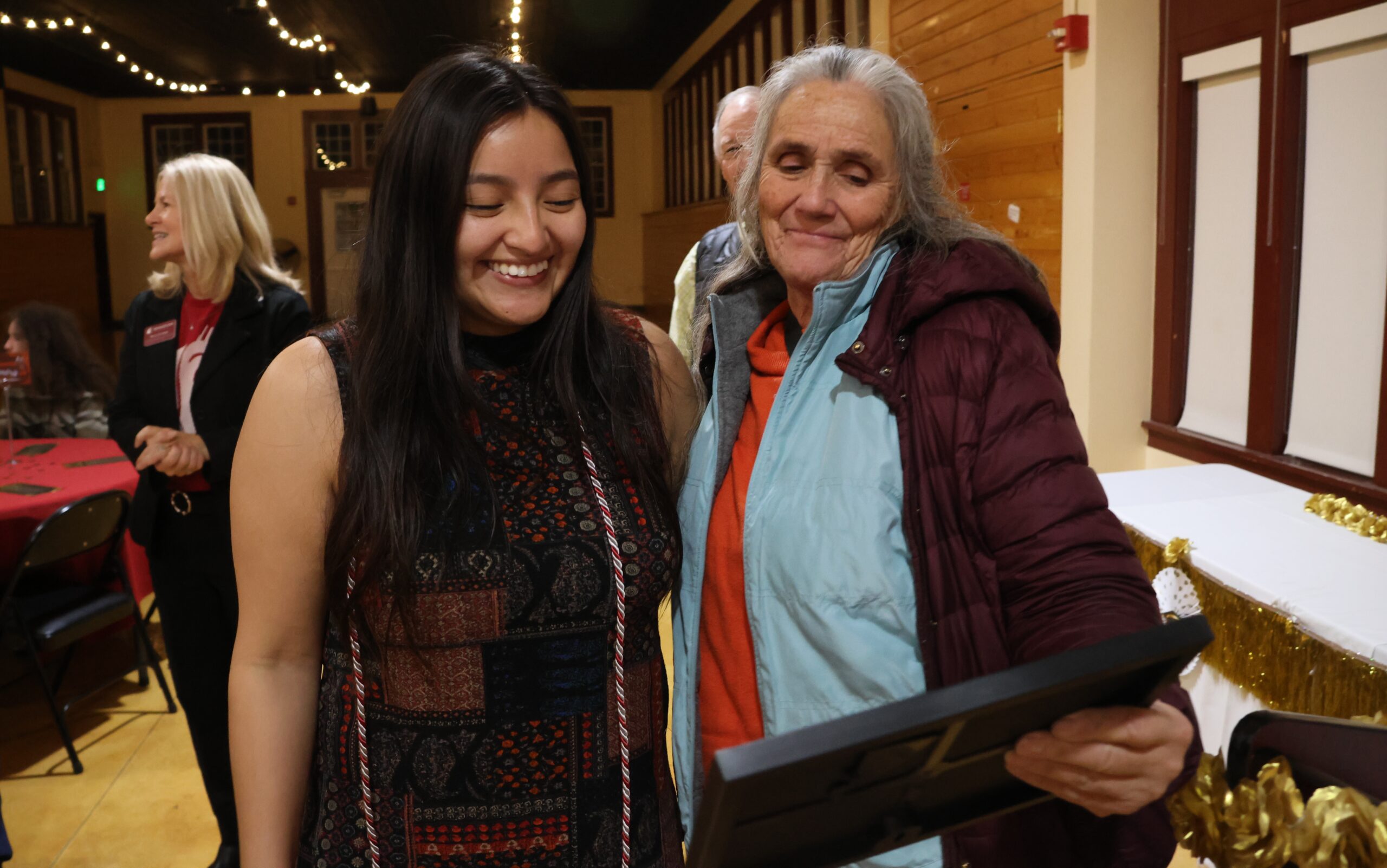
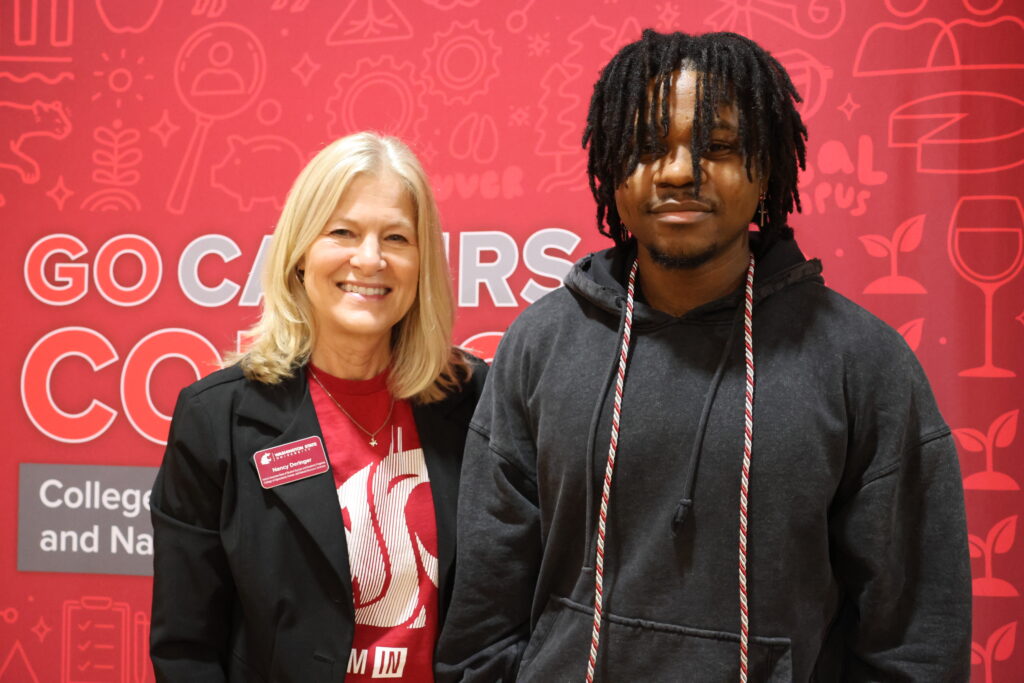
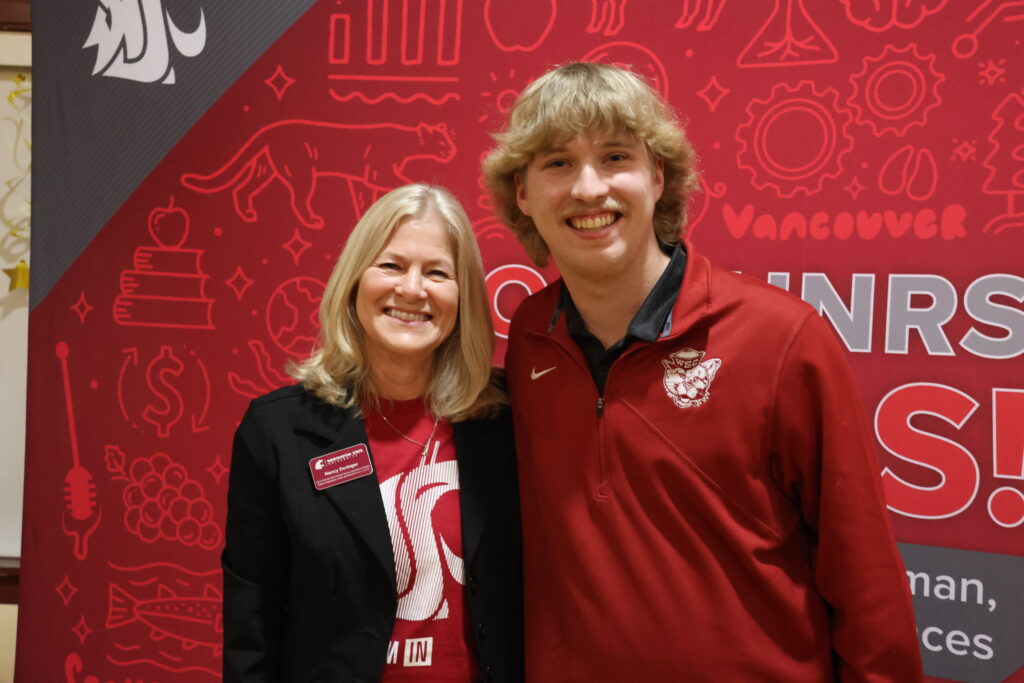
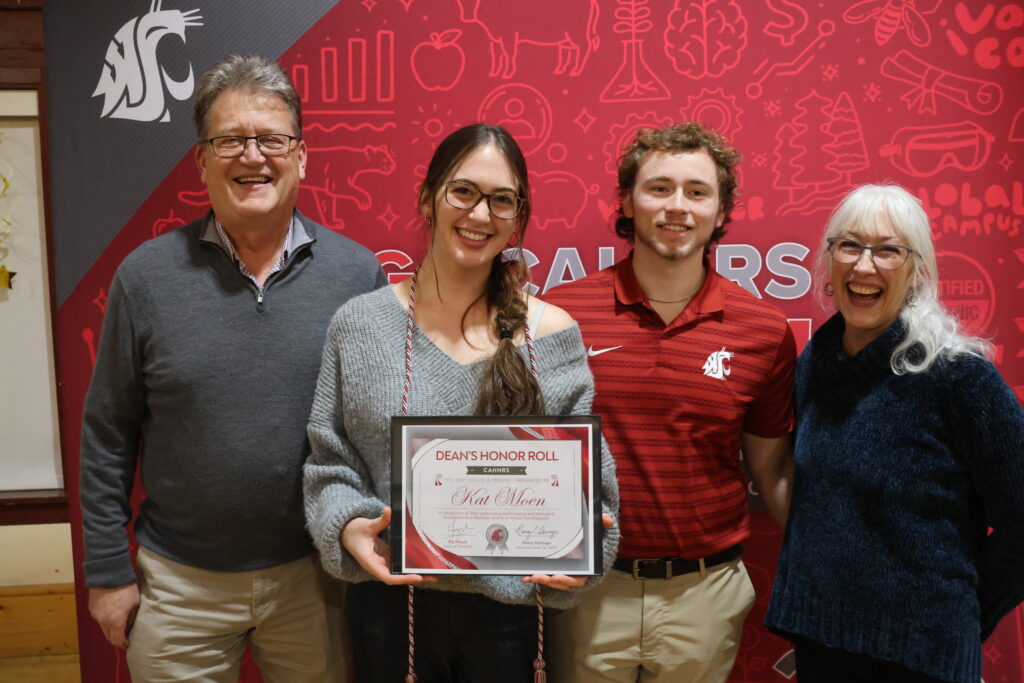
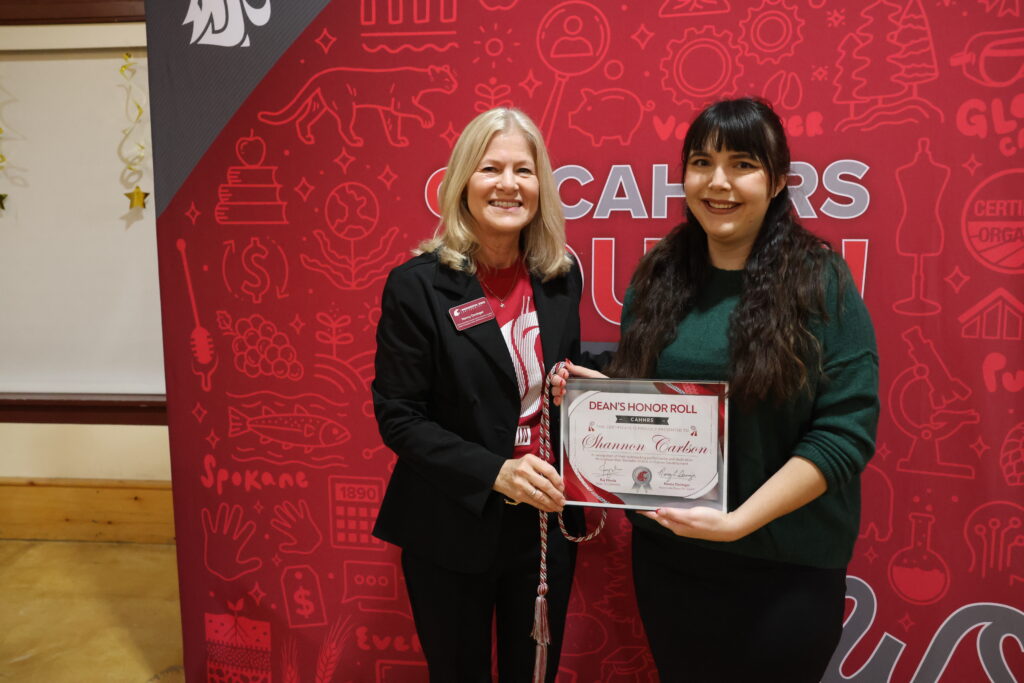
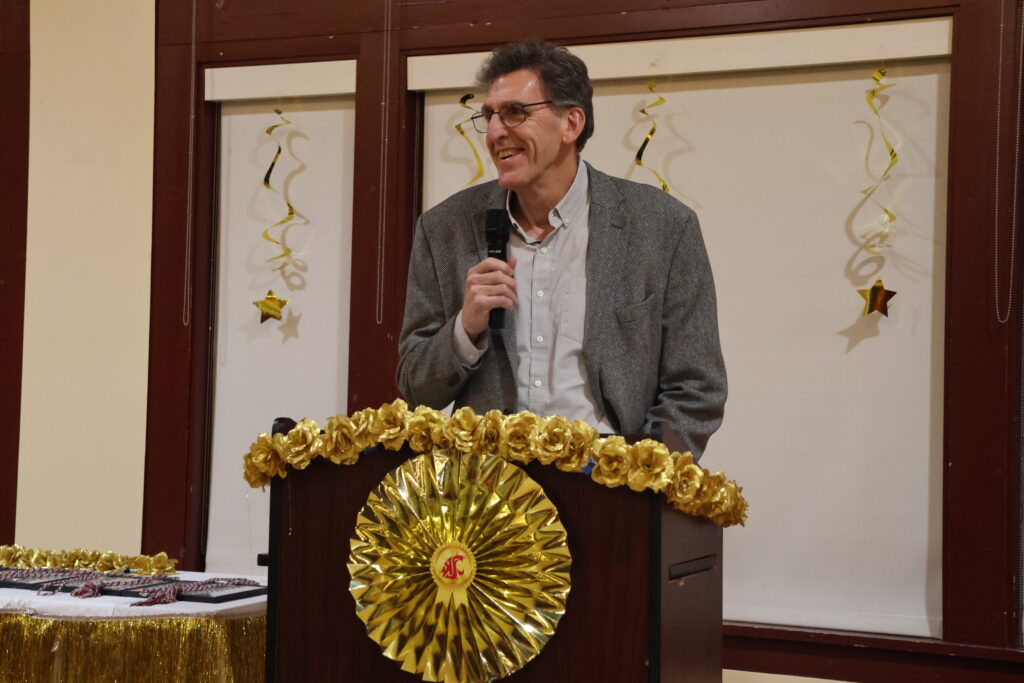
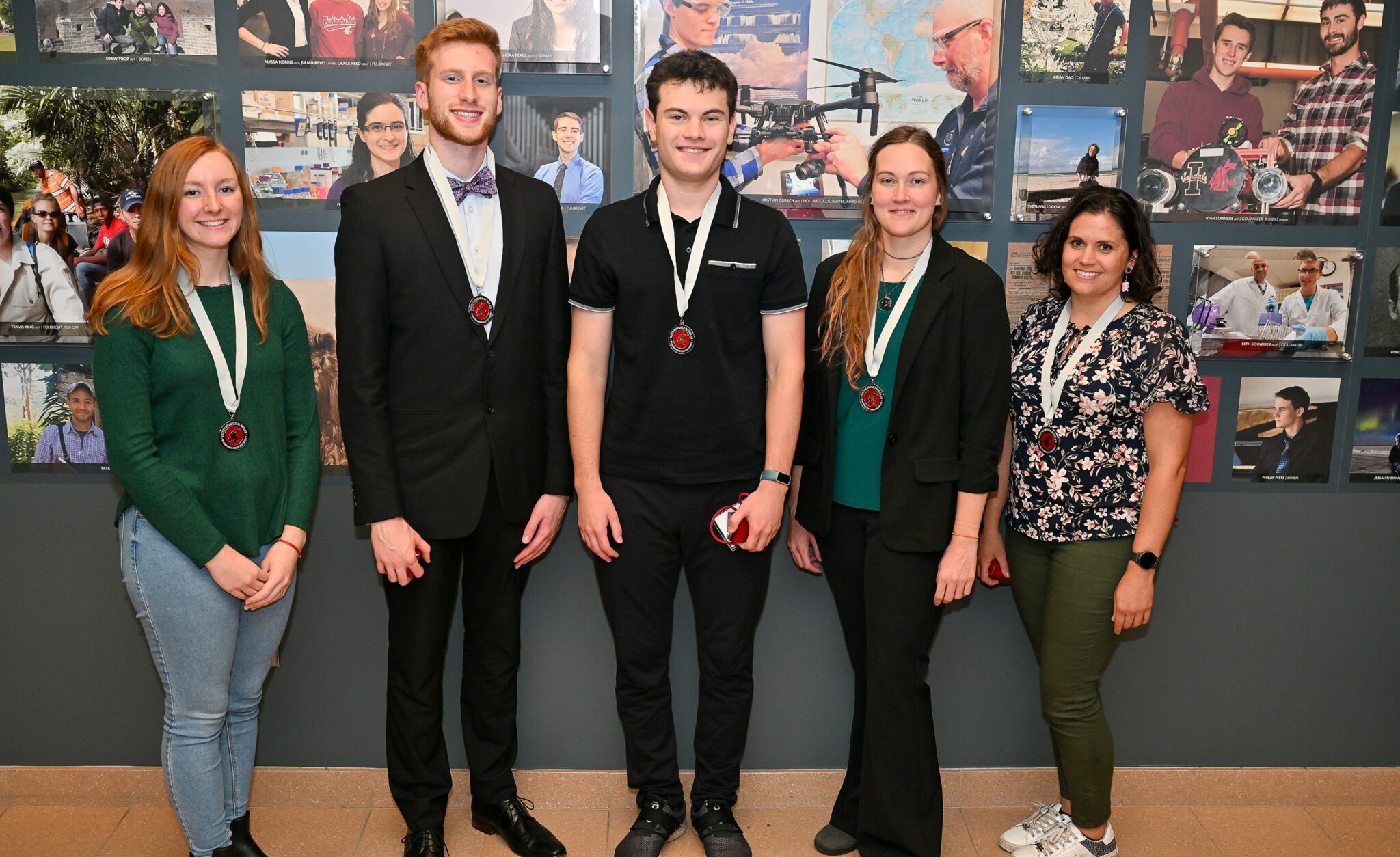
This year for the first time we celebrated the CAHNRS Dean’s Honor Roll recipients with a dessert-filled event. This event featured honor roll students accepting their honor cords and certificates from the dean and associate deans. A chance for the students to celebrate their hard work, dedication, and accomplishments with senior leadership and their families marked it a very special occasion. We are beyond proud of the brilliant minds and resilience we seek to nurture so that it may blossom.
CAHNRS Spirit



Highlighted Event Dates to Mark on Your Calendar
January 23, 2026
CUB Senior Ballroom
3:00 – 5:00pm

Feb 3 – Feb 5, 2026

Feb 7, 2026
7:30-11am, CUB Jr Ballroom/Beasley (Resource Fair) and Johnson Annex C107 (CAHNRS Showcase)
Feb 9, 2026
Lighty Student Services
5:00 – 7:00pm
Feb 12, 2026
Feb 21, 2026
7:30-11am, CUB Jr Ballroom/Beasley (Resource Fair) and Johnson Annex C107 (CAHNRS Showcase)

Feb 26, 2026
Lighty 405 and Zoom
Meeting ID: 972 1771 3134
Passcode: 858347

Feb 28, 2026
WSU Horticulture Center
11:00am – 3:00pm
March 7, 2026
7:30-11am, CUB Jr Ballroom/Beasley (Resource Fair) and Johnson Annex C107 (CAHNRS Showcase)

March 11, 2026
Ensminger Pavilion
2:00pm – 4:00pm

March 14, 2026
Asotin

March 23, 2026
March 28, 2026
7:30-11am, CUB Jr Ballroom/Beasley (Resource Fair) and Johnson Annex C107 (CAHNRS Showcase)
Deadlines
January 31, 2026
Application Deadline
January 31, 2026
Scholarships I Admissions I WSU

April 3rd, 2026
Faculty and Staff Awards

March 13th, 2026
Student Awards
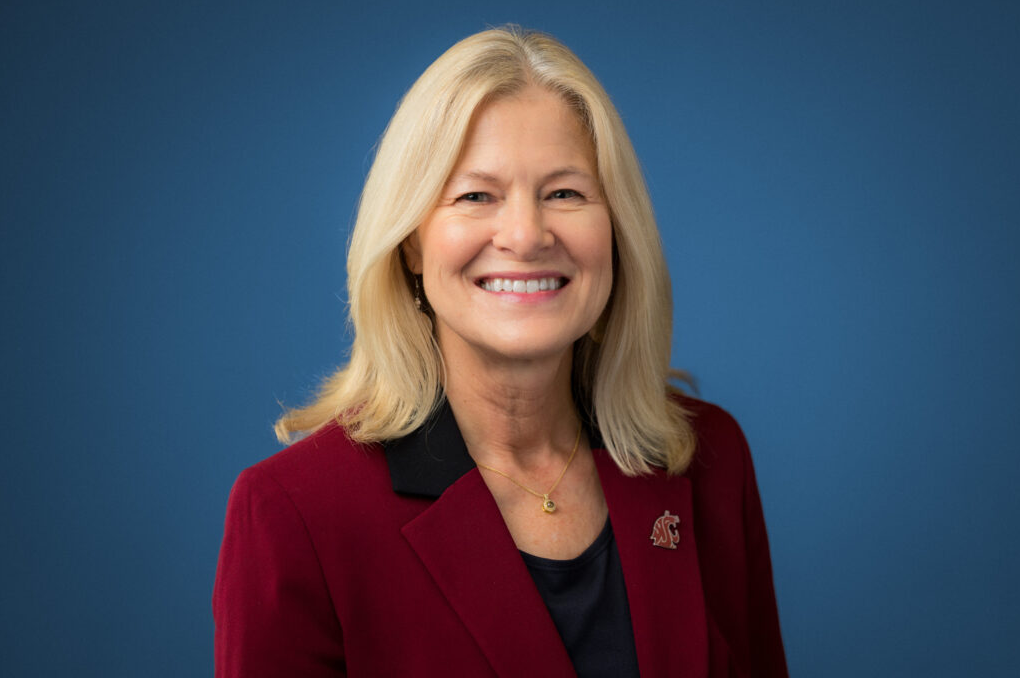
A Celebration of Nancy Deringer – Associate Dean for Student Success and Academic Programs
Always Showing Up for CAHNRS
It’s nearly a daily occurrence to see Associate Dean Deringer balancing a drink, a few notebooks and pens, and a laptop on her way to her millionth meeting of the day with a huge smile on her face and a phrase of genuine optimism coming from her lips. Her ability to balance so many objects without a sliver of fear seems a good metaphor for her skill at balancing many responsibilities with grace. Whether it’s taking one for the team by high-fiving Butch so hard it hurt her wrist, or agreeing to do another TikTok video featuring her genuine smile that could light up a whole college, Nancy Deringer always shows up for CAHNRS and for WSU. Enthusiasm unmatched, Associate Dean Deringer is always going above and beyond to make everyone feel heard and seen. There isn’t anyone better equipped with great ideas, a healthy dose of “it’ll-be-easy” optimism, and a world of wisdom accumulated from ample experience to lead the Student Success and Academic Programs office.

Associate Dean for Student Success and Academic Programs
Having mentored many of the student workers and employees in the CAHNRS office, she is a shining example of how the right kind of support can make a college feel like a home away from home.
As of January 1, 2026, Nancy Deringer is now officially Associate Dean of Student Success and Academic Programs, a role which she has excelled at for several years as an interim. We are boundlessly lucky to have her, and looking forward to incredible projects to come.
Learn more about Nancy Deringer and her role through our more formal CAHNRS News article linked in the button below.

Silks, Snacks, & Sips
February 20th
5:30 – 7:30pm
Ensminger Pavilion, Pullman WA
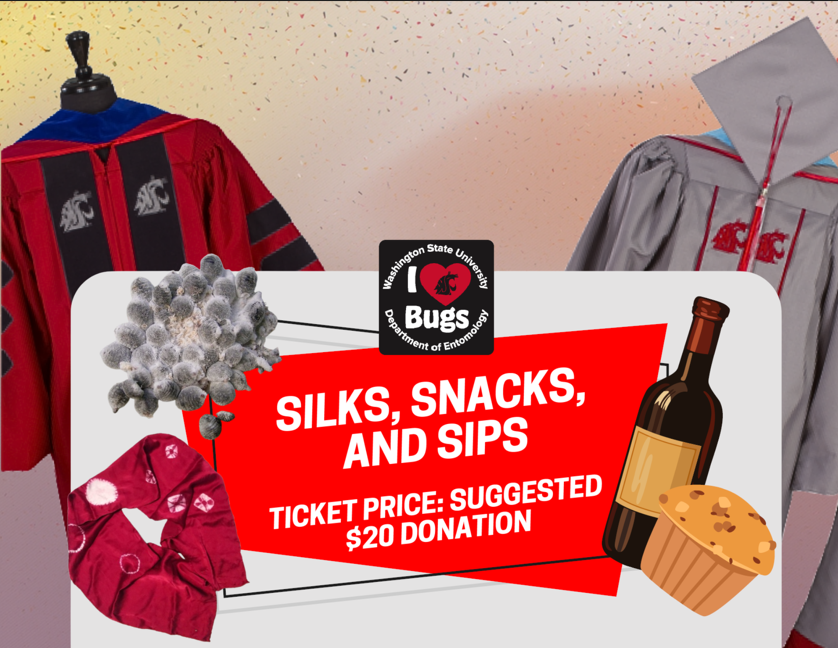
Help the Entomology For All Committee raise funds to buy entomology MS and PhD commencement regalia available for loan! Come dye silk scarves using the batik method! Create a design in silk with melted beeswax, then dye it with natural red carmine pigment, made from 100% cochineal scale bugs! Snacks and beverages available by donation.
Ticket Price: Suggested $20 Donation
Are you at a Research and Extension center and can’t attend? Donate and we will send a scarf to you!
EPIC – Empowering Prevention & Inclusive Communities

February 26th 3:00pm – 5:00pm
Lighty Student Services 405 and via Zoom
Meeting ID: 972 1771 3134
Passcode: 858347
In partnership with the CAHNRS For All Committee, the EPIC (Empowering Prevention and Inclusive Communities) program at WSU invites all CAHNRS faculty, staff, and academic student employees to this peer-led training program.
Lead by Tendaishe Mugaviri, a Graduate Student and EPIC Training Specialist
What is EPIC?
A peer-led training program created through collaboration between Washington State University and UAW Local 4951, EPIC builds safer, more inclusive academic workplaces by helping ASEs and departments recognize, prevent, and respond to sexual harassment and discrimination.
Who is EPIC for?
- Academic Student Employees (ASEs)
- Graduate Assistants
- Teaching and Research Assistants
- Departments seeking additional training
- Supervisors and faculty to oversee or work with ASEs
OUR MISSION
To foster respect, inclusion, and accountability across WSU by empowering community members to take everyday action toward prevention.
Key Training Topics
- Identifying sexual harassment
- Responding to sexual harassment
- Preventing sexual harassment
- Bystander Intervention
- Connecting with WSU’s support and reporting Resources
Did you Know?
70% of students who intervene report feeling more confident after receiving prevention training
33% of graduate students nationally report experience harassment or discrimination from someone in a position of power
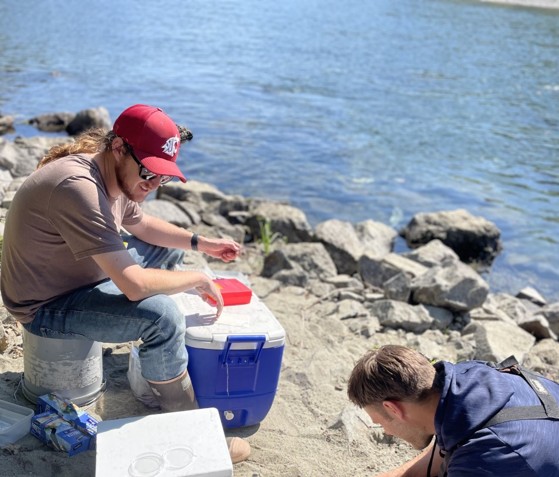
Michael Phelps Lab

Using biotechnology to understand growth, stress tolerance, and infertility in salmonids to help boost wild fish and aquaculture resilience.
The Phelps Lab is using biotechnology to uncover the genes that control three high-impact traits in salmonids (salmon, trout, and char): growth, environmental resilience (tolerance to low oxygen and high temperature), and infertility. By pinpointing how specific genes shape these traits, we’re generating new knowledge that can help conserve wild salmon while also supporting more sustainable salmonid aquaculture. This work is driven by a large team of undergraduates and technicians, which is led by graduate student Chaya Gaberria and postdoctoral scientist Shubhankar Sircar.

Track endangered or invasive species in remote locations by their DNA footprint
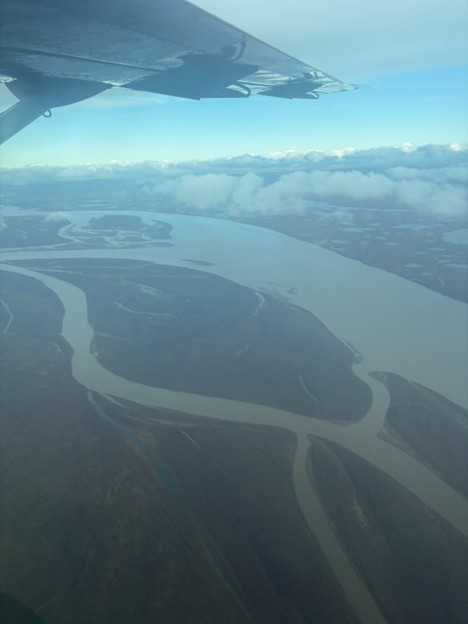
The Phelps laboratory is developing CRISPR-based DNA diagnostics to perform rapid DNA testing in remote field locations, to bring genetic tools directly to the streamside for salmonid conservation efforts. Current applications include detecting the presence of endangered or invasive salmonids from environmental DNA (eDNA), testing fish for signatures of hybridization between endangered and invasive species, sensing the presence of viral pathogens, and non-invasive sexing of juvenile fish. This research is currently led by Evan Barnes, who has active projects in the Yukon River in Alaska to examine Chinook salmon overwintering habitat, and in remote river systems in eastern Oregon investigating bull trout–brook trout hybridization.


Shark reproductive genomics and the evolution of live birth
PhD candidate Sabrina Haney is leading a comparative genomics project to understand how sharks evolved such diverse reproductive strategies, ranging from egg-laying to live birth with placental nutrition, along with many intermediate forms. Sabrina is collaborating with regional fisheries managers, the Vertebrate Genomes Project, and academic researchers from the Eastern US and around the world for her research. She has sequenced the Pacific Spiny Dogfish genome and is investigating how uterine cell biology and gene networks differ among shark species. Her field work includes multiple research trips to Florida to study reef sharks that aren’t found in Washington waters and display a diverse range of reproductive modes.

The biology of salmon maturation, migration, and post-spawn death
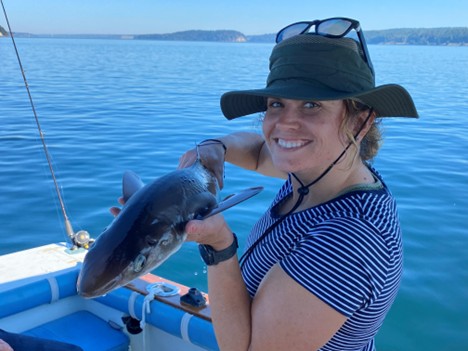
Research being conducted by PhD candidate Max Butensky investigates how the bodies of Pacific salmon transform as they mature, migrate to spawn, and eventually die. Using pink salmon as a powerful model, he is analyzing gene activity (transcriptomics) to map changes in gene expression in key tissues during the salmon spawning migration. Using complex molecular techniques, he has also identified genetic differences that may help explain why Pacific salmon die after spawning (semelparous), while other salmonid species, like rainbow trout, can spawn multiple times (iteroparous).
_____________________________________________________
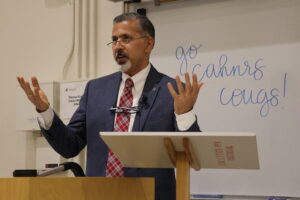
Coffee Beans with Deans

Want a chance to visit with Dean Raj Khosla, or one of the other associate deans? A great opportunity is the Coffee Beans with Deans event, happening every month available to employees in CAHNRS.
You are welcome to RSVP and attend to either socialize with the dean and associate deans, or even to schedule 10 minutes of discussion with one of them.
Please be sure to watch your email for the RSVP links (the February RSVP is included below) so we can make sure to plan a venue for attendees.
Climate-Friendly Ranch – Innovative Solutions Following Devastation
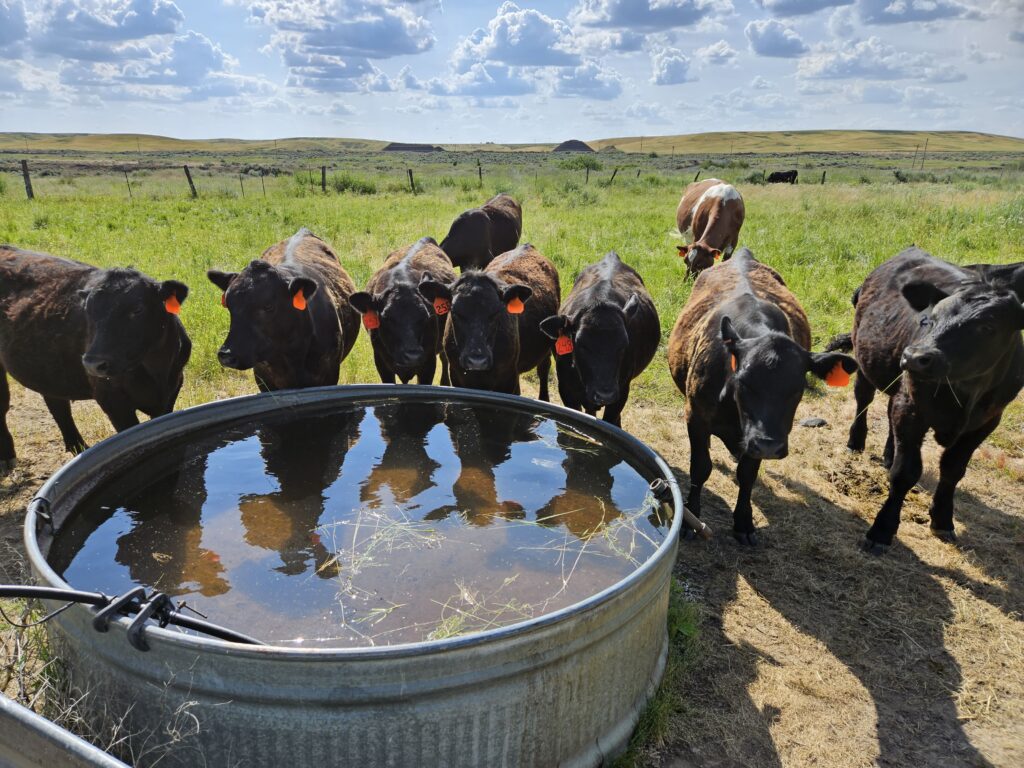
Newly appointed as the Office of Research’s Associate Vice President for Research Advancement and Strategy, Chad Kruger has been an incredible addition to CAHNRS and to WSU. His background in sustainable agriculture, experience in climate resilience, energy systems, along with many other types of experiences have been instrumental in his role as Director of CSANR. His contributions have included being part of AI in agriculture, the Washington Food Policy Forum, the Washington Soil Health Initiative, the AgSymbiosis Project, and much more. In addition to his contributions to CAHNRS, he also exemplifies incredible resilience in the face of hardships like droughts and fires on his farm, which he has innovatively built into a sustainable and climate-friendly system. An absolute joy to know, we celebrate Chad Kruger in his new role, wish him the best of luck with his farm, and thank him for everything he accomplishes to better the university.
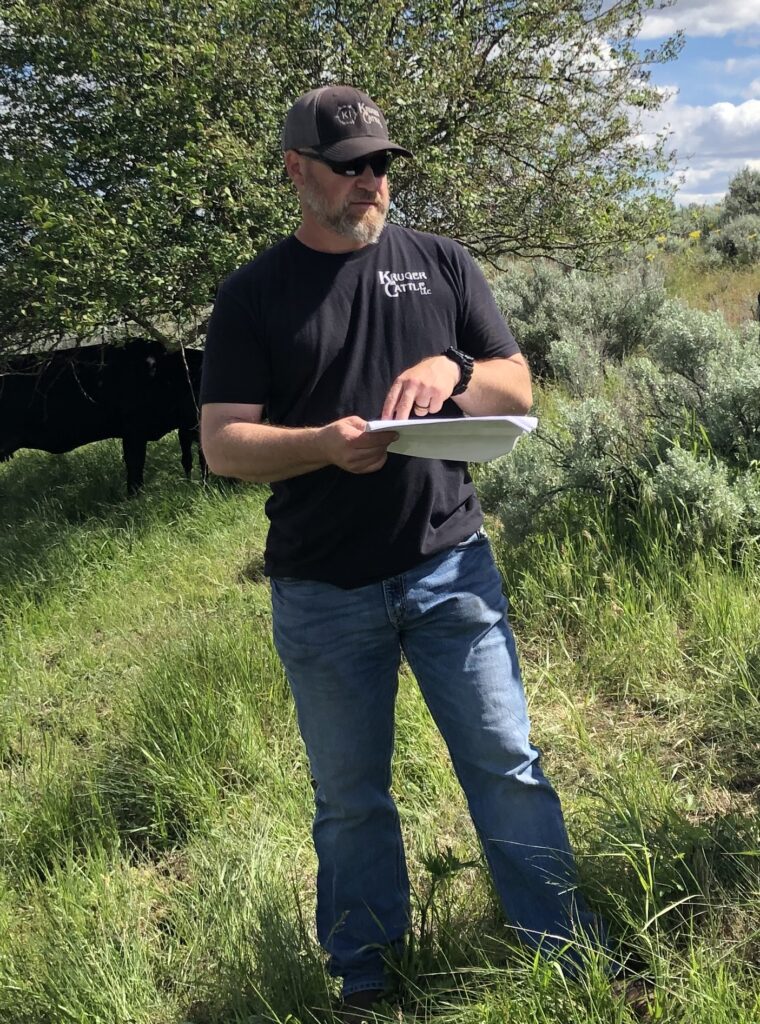
Chad Kruger
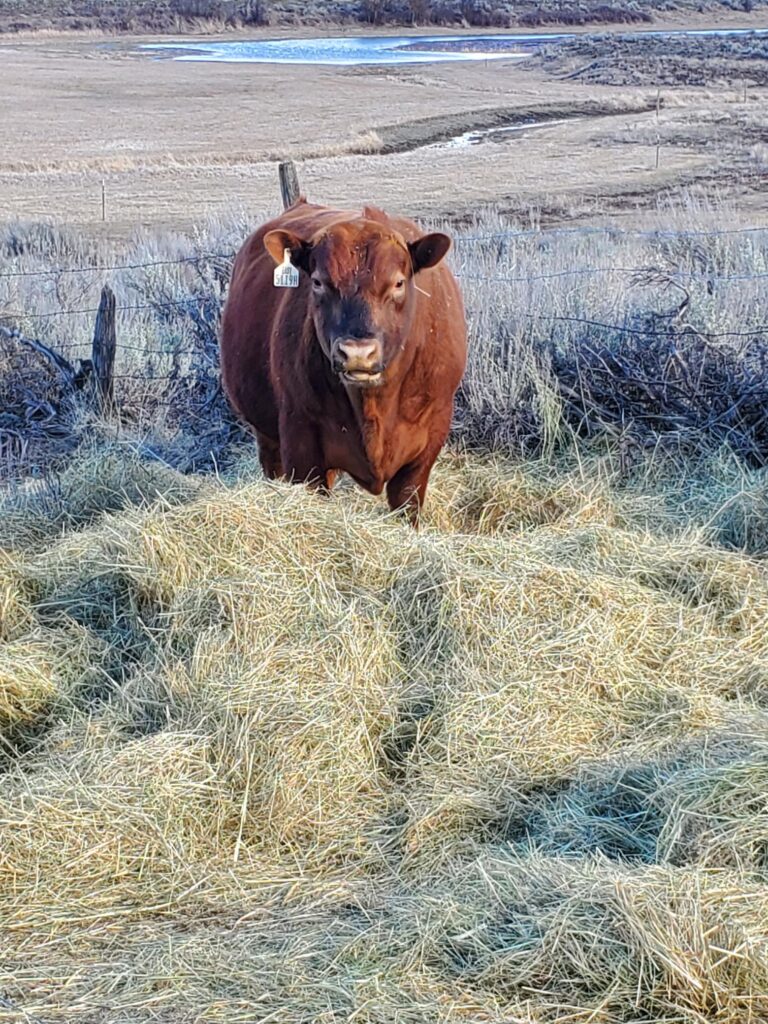
Throughout my 20+ year career at WSU I’ve worked on climate assessment and adaptation strategies for agricultural systems. Following a devastating range fire on Labor Day 2020, I have had the opportunity to incorporate some of those research strategies into the management of my multi-generational family ranch in Eastern Washington.
Smarter Solutions
Strategies we’ve implemented include improving livestock genetics to address range conditions and heat tolerance, shifting breeding seasons to sync up calving with forage production, stream restoration to improve hydrologic function through pastures and hayfields, using solar power for water pumping and electric fencing to improve pasture management, and bale grazing to improve soil health.

Improvement and Resilience
We’ve seen dramatic improvements in many facets of our operation, but we’ve also encountered a lot of surprises and learned a lot of lessons. The five-year period has been an historic drought period on our place, and that has made implementing changes even more challenging. I think, though, we are in a much more resilient position moving forward than we were in 2020.
__________
Virtual and On-Site Proctoring – Global Campus Instructors
New proctoring policies and support are available for global campus instructors.
Learn more about global proctoring processes using following relevant links.
CAHNRS Recruitment Travel – “Where is Junior?”

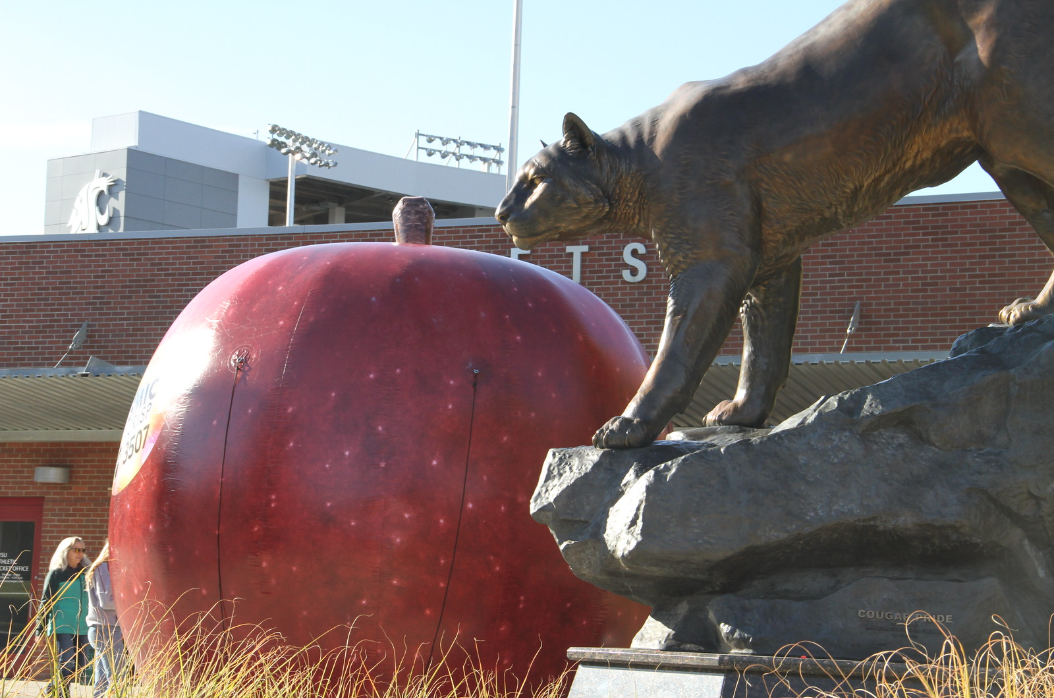
Junior Gomez, CAHNRS Recruitment & Retention Coordinator, is busy traveling across the state and beyond each week. Stay tuned for the upcoming locations and dates!
1/22
1/29
3/11
3/20
3/21
3/21
*Miguel Inzunza will also attend
3/22
*Miguel Inzunza will also attend
3/25
3/31
4/1
4/6
For any questions, please reach out to ggomez@wsu.edu.
Have a story you’d like to feature in the next CAHNRS Connections Newsletter? Please reach out to cahnrs.majors@wsu.edu with your ideas and information.
Student and Academic News
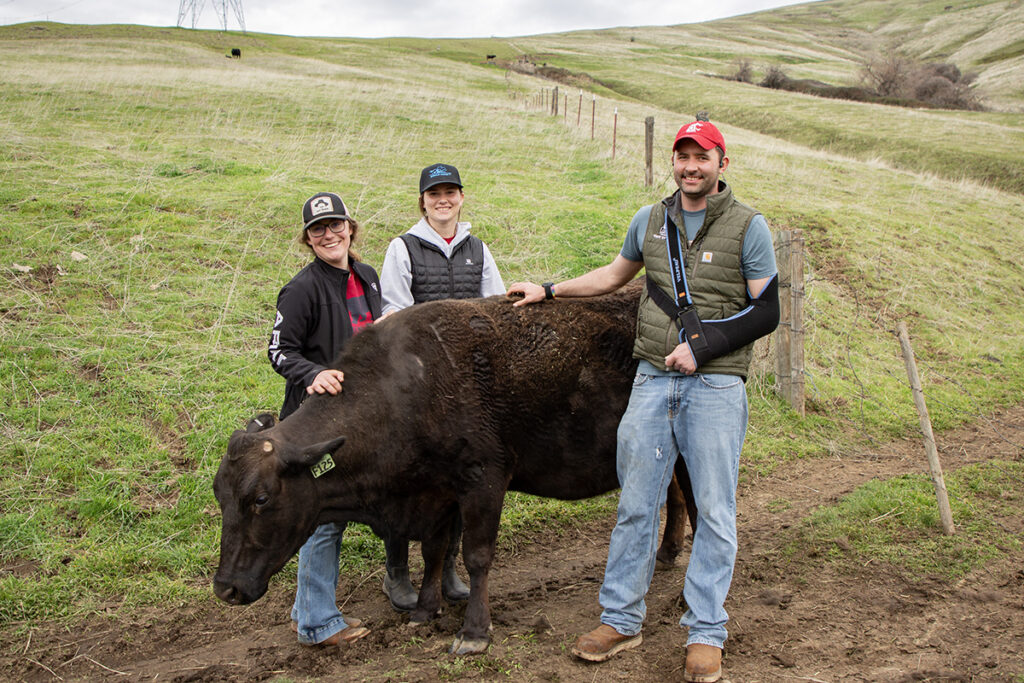
In a camper down by the river: WSU students spend spring break helping cows, newborn calves
Four students spent spring break living amongst, and helping care for, the university’s beef ca…
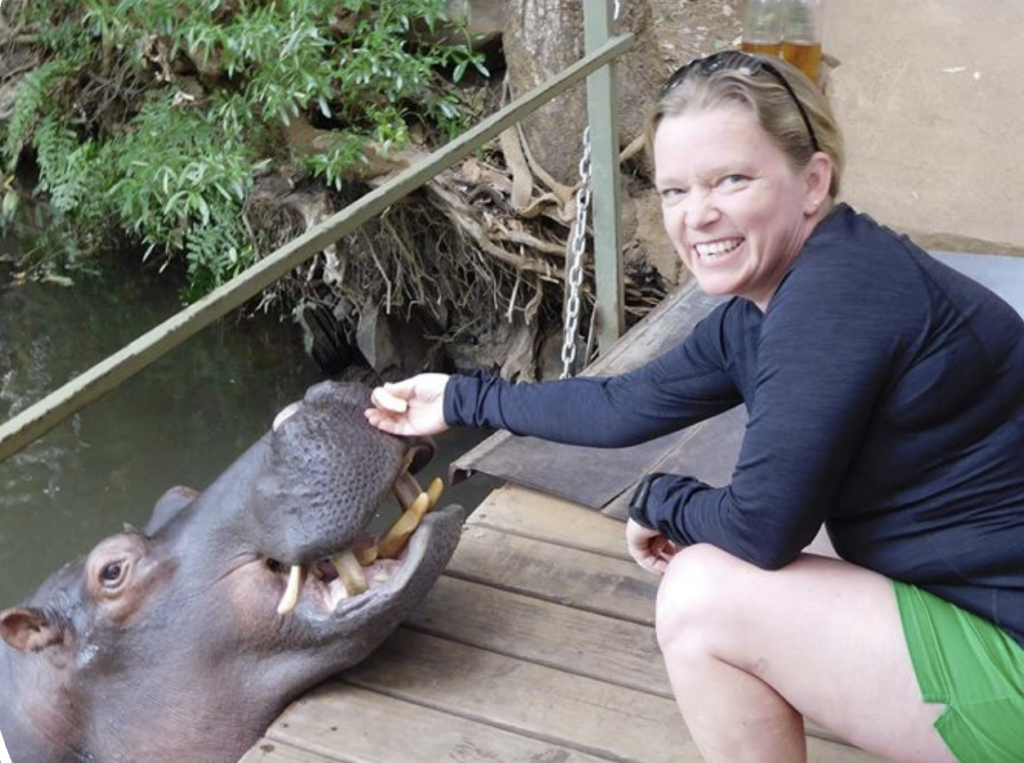
Comparative animal nutritionist to share career insights, experiences at Halver Lecture
Comparative animal nutritionist Kimberly Ange-van Heugten will give this year’s Halver Lect…
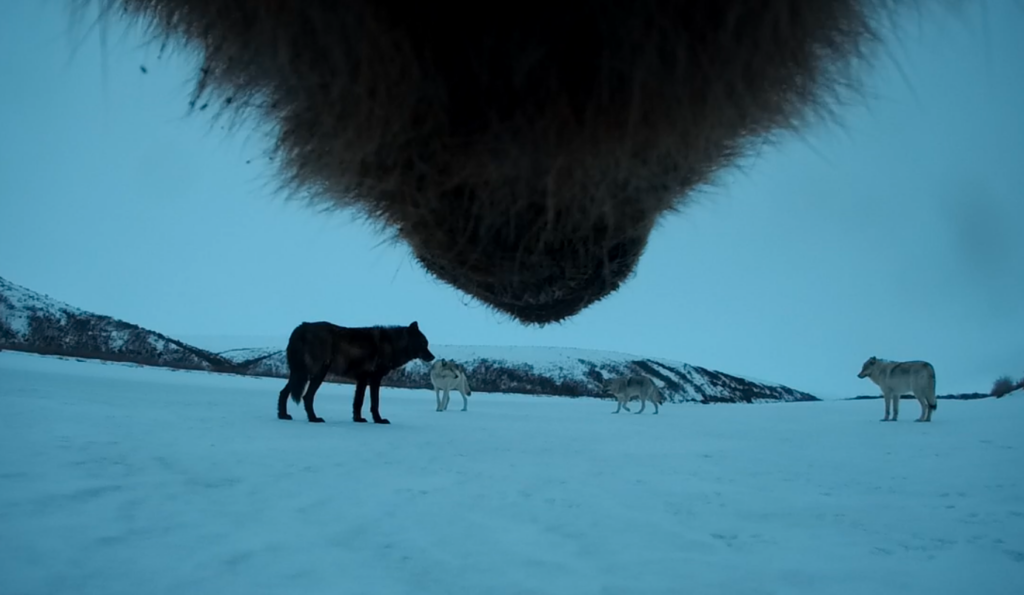
WSU scientists capture a bear’s eye view of life in the Arctic
WSU researchers recently attached video cameras to collars on several Arctic grizzly bears to lea…